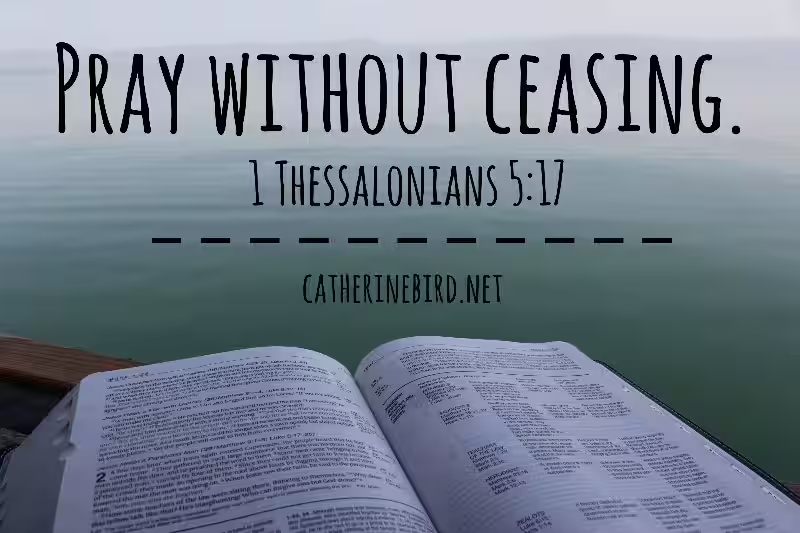
In our fast-paced lives, finding moments of quiet reflection and connection with something larger than ourselves can feel increasingly challenging. Yet, at the heart of many faiths lies a powerful practice: praying with the word. This isn’t just about reciting verses; it’s a way to engage deeply with sacred texts, to allow their wisdom to shape our understanding and actions, and to cultivate a profound relationship with the divine. This journey starts with understanding the core principles.
Praying with the word isn’t limited to a specific religion; it’s a universal human response to seeking meaning and connection. Many people find solace and strength in the power of scripture, poetry, or even personal affirmations as they reflect on their lives. This exercise can reshape our perspectives and inspire us to live more intentional lives. It’s about connecting with the source of our beliefs, whether it’s a higher power, a spiritual teacher, or an inner voice. For example, reading a passage about love and then reflecting on how to embody that love in a challenging relationship.
Sacred texts, be they the Bible, the Quran, the Torah, or others, are often filled with stories, poems, and proverbs that offer insights into the human condition and the divine. When we approach these texts with an open heart and mind, we discover a wealth of wisdom and guidance. We can ask questions about the text and reflect on how the messages relate to our daily lives. For instance, reflecting on the parable of the Good Samaritan can prompt us to consider our own acts of compassion and kindness.
The power of prayer combined with scripture reading lies in its ability to foster self-discovery. These texts frequently explore themes like forgiveness, patience, and hope. By studying these profound ideas, we can bring these virtues into our lives in tangible ways. Reading and reflecting on these passages becomes a form of dialogue with the divine, allowing us to connect with our own spiritual journey. This is not a passive activity; it is an active process of engagement and reflection.
Different Ways to Pray with the Word
The beauty of praying with the word lies in its versatility. There are numerous ways to engage with sacred texts: meditation, reflection, journaling, or simply quiet contemplation. For example, one could choose a particular passage, read it aloud, and then spend time reflecting on its meaning. Another approach might be to meditate on a verse until its message resonates deeply within you. You can also use the words as prompts for prayers. It is about finding the method that speaks to you personally.
A powerful way to engage with the word is through community. Sharing reflections with others who are also praying with the word can deepen the experience. Consider group discussions or small-group study sessions. These group settings can help offer diverse perspectives and foster a supportive environment. For instance, a group reading and reflecting on a Psalm together can lead to a deeper understanding of the text and promote a sense of shared spirituality.
Finding Your Spiritual Pathway
Praying with the word is a journey of personal discovery and growth. It requires patience, humility, and an open mind. The process might seem daunting at first, but the rewards are profound. Consistent engagement can bring a sense of peace, direction, and ultimately, a deeper connection to yourself and the divine. This practice allows you to form your own relationship with spirituality, not necessarily the one dictated by your background or community. It’s about finding the faith that works for you.
Embrace the opportunity to pray with the word in whatever way resonates most deeply with you. It’s about cultivating a relationship with the divine through a thoughtful engagement with sacred texts. Start by exploring the texts that hold particular significance for you, pay attention to your feelings and thoughts, and allow the wisdom embedded in the words to guide and shape your journey. Perhaps you’ll find a deeper meaning in a familiar verse, a new understanding of a challenging scripture, or a renewed sense of purpose based on the wisdom shared.
Frequently Asked Questions about Praying with the Word
What is praying with the Word?
Praying with the Word involves meditating on Scripture, reflecting on its meaning, and applying its teachings to your life through prayer. It’s a way of engaging with God’s message and allowing it to shape your thoughts, feelings, and actions.
How do I pray with the Word?
There’s no single method. Some people find it helpful to read a passage slowly, reflecting on each verse. Others prefer to focus on a specific theme or question, seeking God’s guidance through the text. Key elements include reading, pondering, applying, and praying.
What are the benefits of praying with the Word?
Praying with the Word deepens your relationship with God, increases your understanding of His will, strengthens your faith, and helps you apply His teachings to your daily life. It leads to greater spiritual growth and wisdom.
What if I don’t understand the scripture?
Don’t be discouraged! Seek help from commentaries, study Bibles, or trusted religious leaders. Praying for understanding is crucial. Ask God to illuminate the passage for you.
Praying with scripture is a common practice across many religions, but it’s particularly important in Christianity, Judaism, and Islam, where scripture plays a central role in faith and practice. Different faiths may have slightly different approaches to this practice.
Can I pray with the Word if I am not religious?
While praying with the Word is often associated with religious practice, the principles underlying it – reflection and seeking guidance – can be applicable to anyone seeking personal growth and wisdom.