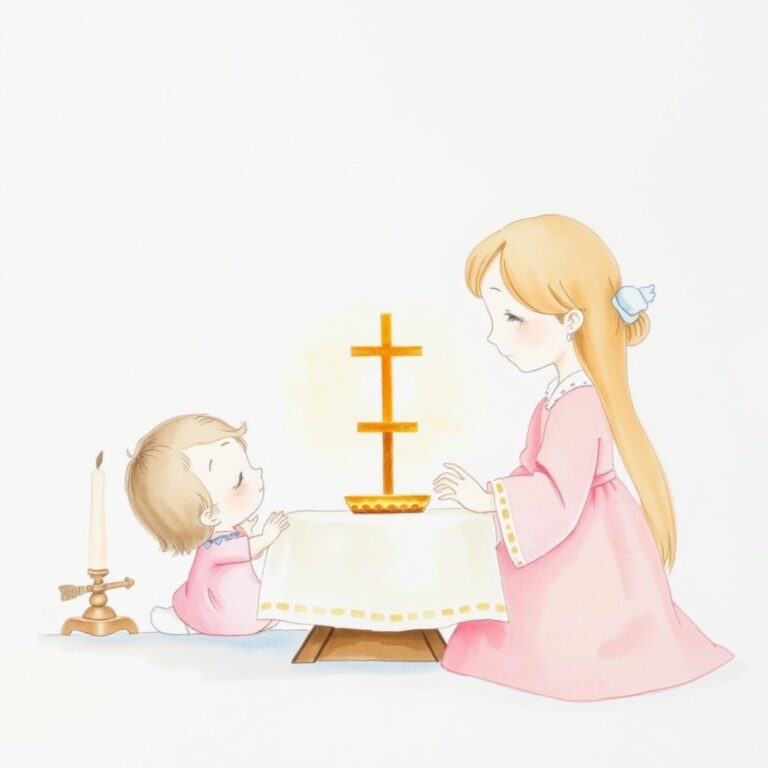
The concept of a family of God is a powerful and recurring theme throughout the Bible. It's not just about blood relations, but a profound spiritual kinship, a bond forged through faith and shared purpose. This concept offers a framework for understanding God's relationship with humanity and how we, in turn, can build strong, supportive relationships with each other. It emphasizes shared values and mutual support in a way that transcends cultural and societal boundaries.
The idea of being part of God's family isn't just a theoretical concept; it's a call to action. It's about embracing a life of service, compassion, and love that mirrors God's own character. For example, consider how the Israelites were called God's chosen people. This wasn't just political; it was a spiritual covenant implying a shared destiny and responsibility. This concept of the family of God is central to understanding the Bible's message.
The concept of a covenant, central to the Family of God in the Bible, emphasizes a reciprocal agreement between God and humanity. God, as the initiator, offers blessings and promises in exchange for faithfulness and obedience. This creates a deep connection that extends beyond transactional interactions. Think of it like a strong family bond—filled with trust, mutual support, and shared expectations. The promise of a land, for example, is intimately tied to the covenant relationship, cementing the link between God and His chosen people.
Throughout scripture, we see this covenant relationship manifested in various ways. Prophets often act as mediators, reminding the people of their obligations and God's unwavering commitment. This highlights the importance of maintaining a close relationship with God and with one another – an idea central to the Family of God concept. Building a strong family means understanding and respecting each member's role in the whole. This mirrors the role of each individual within the greater family of God.
The Family of God: Embracing Diversity and Inclusion
The Family of God in scripture is not limited by social boundaries or cultural differences. The Bible highlights the importance of welcoming all people, regardless of their background. This principle of inclusion is rooted in God's inherent love and desire for a unified family. The parable of the prodigal son, for example, illustrates God's boundless compassion and the unconditional acceptance offered to all who repent. This is a powerful image of the open arms provided within the family of God.
It emphasizes diversity and unity within the family of God. Different backgrounds, experiences, and perspectives are valued and celebrated as valuable contributions to the whole. Just as a family thrives on the unique contributions of each member, so too does the Family of God benefit from the variety of its people. This concept is vital to developing a truly inclusive and supportive society, mirroring the values of the family of God.
The Family of God: Living Out the Principles
Ultimately, understanding the Family of God in the Bible is more than just an academic exercise. It's a call to action. How can we, as individuals, cultivate the principles of love, service, and acceptance that are so central to this concept? One way is to look at your own relationships and consider how you can show love and support to others, mirroring the concept of God’s family. Consider examples like helping a struggling neighbor, offering support to a friend in need, or participating in a community service project. These are all practical ways to enact the principles of the family of God.
Practical steps to embody this concept include: embracing diversity, actively seeking out opportunities to serve others, fostering compassion, and developing a deeper understanding of God's love. Prayer, reflection, and study of the Bible can deepen our understanding and connection within the Family of God. These actions, in turn, bring us closer to the divine love and offer a clear path to a more meaningful and supportive life within our own communities. It is about living out the values of the family of God, not just knowing them.
Conclusion: A Life in the Family of God
The Family of God, as portrayed in the Bible, is a profound concept that offers a framework for understanding our relationship with the divine and with each other. It emphasizes love, compassion, and acceptance, challenging us to live a life of service and support. By embracing the values of the family of God, we can foster more meaningful and supportive relationships within our own communities.
Ultimately, the concept invites us to live a life rooted in faith, guided by love, and enriched by the bonds of community. This is the path to a more fulfilling and meaningful life, deeply connected to the greater family of God.
Frequently Asked Questions
What is the Family of God Bible?
The Family of God Bible is a specific translation or version of the Bible, often emphasizing certain interpretations or theological perspectives.
What is the religious background of the Family of God?
The Family of God is a religious movement with specific beliefs and practices. Information on its origins and tenets can be found through research using reputable sources.
The core beliefs of the Family of God vary based on the specific group or denomination. Seeking out official statements from the organization is recommended.
How does the Family of God Bible differ from other translations?
Specific differences in the Family of God Bible, if any, in comparison to other translations will vary. Comparing the text directly to other versions and noting differences is a way to discover this.
Is the Family of God Bible considered an authoritative translation?
Whether the Family of God Bible is considered an authoritative translation depends on the individual's or group's interpretations and beliefs. The Bible's authority is a complex theological issue.
Are there different interpretations of the Family of God Bible?
Yes, different individuals and groups may interpret the Family of God Bible in various ways.
Where can I find more information about the Family of God Bible and its interpretations?
Researching the specific group or denomination associated with the Family of God Bible is recommended for further information. Academic resources or official websites of the group may be helpful.