Stepping into the world of the Bible can feel daunting, like entering a vast library filled with ancient stories and complex ideas. But beginner Bible studies are designed to make this journey accessible and engaging. This guide will provide a roadmap to help you navigate this fascinating text, focusing on practical steps and relatable examples. Understanding the different types of Bible studies available will help you choose a path that best suits your needs and interests.
Don’t be intimidated by the sheer volume of the Bible. Start small and focus on specific themes or stories that resonate with you. Perhaps you’re curious about the creation narrative, the life of Jesus, or the wisdom of the Proverbs. Starting with a focused area of interest will make the experience more personal and enjoyable. This allows for deeper reflection and a more rewarding learning experience.
There are various approaches to studying the Bible, each with its own strengths. One popular method is the inductive approach. This method involves observing the text, interpreting its meaning, and applying it to your life. For example, imagine you’re reading a passage about forgiveness. You’d look for clues in the text – what words are used to describe forgiveness? How does the story unfold? By asking these questions, you uncover the passage’s core message and how it applies to your own life. Another powerful method is the expository approach, where you study a passage in its historical and literary context.
Consider joining a Bible study group for a supportive and engaging experience. The collective wisdom and shared insights of others can deepen your understanding of the text. It’s also a great way to build relationships with other believers. Alternatively, many resources are available online and in libraries, offering guided Bible study plans suited to various levels of experience. These plans provide structure and focus, guiding you through the material step-by-step.
Key Concepts and Tools for Beginner Bible Studies
Understanding some fundamental concepts will greatly enhance your Bible study experience. For example, understanding literary genres is crucial. The Bible contains poetry, historical accounts, parables, and letters. Recognizing these different forms of writing will help you interpret the passages accurately. The same concept applies to historical context. Knowing the time period and the cultural background of the text will significantly enrich your understanding. For instance, understanding the social structures of ancient Israel can illuminate details about family relationships and social justice in the Old Testament.
Essential tools for beginners include study Bibles. These Bibles often include helpful notes, cross-references, and maps that provide context and explanations. A journal or notebook is crucial to record your thoughts, insights, and reflections. There are also plenty of online resources, such as commentaries and Bible dictionaries, that provide detailed explanations of difficult passages. Using these tools will make the experience more fruitful for any Bible study.
Creating a Personalized Bible Study Plan
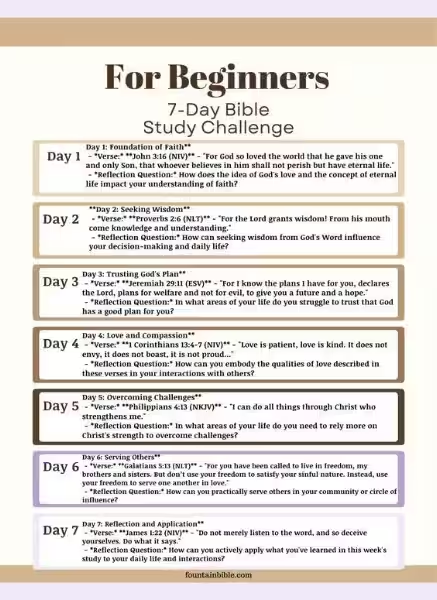
A personalized Bible study plan is key to making the experience engaging and sustainable. Consider your goals and interests. Are you looking to strengthen your faith, understand the history of your religion, or explore ethical dilemmas? Once you’ve identified your interests, create a schedule that fits your lifestyle. Consistency is key, so aim for regular, even if short, sessions. Even 15 minutes daily can yield significant results.
Don’t be afraid to ask questions. Whether it’s to a pastor, another believer, or a trusted religious resource, seeking clarification and further insights is essential. Learning is an active process, and seeking understanding from others is often a crucial step. Embrace the journey, understanding that the Bible’s riches are vast and can be explored for a lifetime. Use different methods to study the Bible like journaling, visual aids or even just reading aloud to aid comprehension.
Embarking on a journey of Bible studies for beginners is a deeply rewarding experience. By understanding the different approaches, using helpful tools, and creating a personalized plan, you can navigate this rich and complex text with confidence and enthusiasm. Remember to approach the Bible with an open heart and a willingness to learn, and you’ll discover a wealth of wisdom and inspiration. Embrace the journey and the many ways the Bible can enrich your life.
The Bible is a vast resource, and by starting simply and focusing on what resonates with you, you can unlock a powerful source of knowledge, guidance, and connection. Your journey of discovery awaits.
Frequently Asked Questions
What is a Bible study for beginners?
A Bible study for beginners is a guided exploration of the Bible, designed to introduce you to its stories, characters, and teachings in a simple and approachable way. It typically involves small group discussions, facilitated by a leader, and focuses on understanding the context, meaning, and application of biblical passages.
What is religion?
Religion is a set of beliefs and practices related to the supernatural, often centering around a deity or deities. It can involve rituals, ceremonies, ethical codes, and a community of believers. There are many different religions in the world, each with its own unique perspectives and traditions.
What are some good resources for learning about the Bible?
There are many resources available! Some include study Bibles (with commentary), online resources, introductory books, and local churches or religious organizations.
Why should I start a Bible study?
Bible study can offer personal growth, insight into life’s big questions, and a deeper connection to faith. It can also foster community and understanding.
What if I don’t know anything about the Bible?
That’s perfectly fine! Beginner Bible studies are designed for those with little or no prior knowledge. You’ll be guided through the material at a pace you can understand.
How do I find a Bible study group?
You can often find them through local churches, community centers, or online groups. Many religious organizations offer beginner-friendly options.