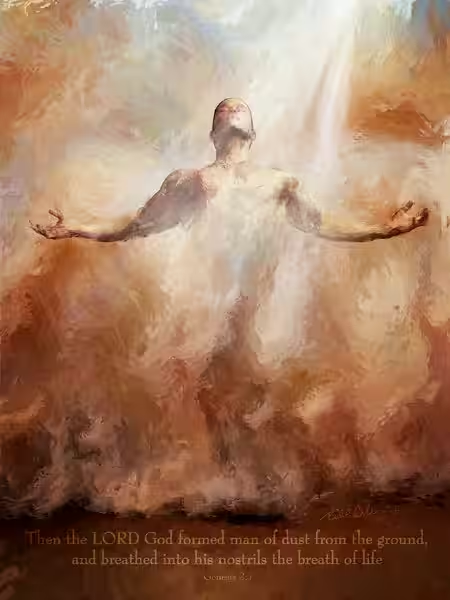
We all crave a sense of purpose, a connection to something bigger than ourselves. For many, that connection is found in religion, in the sacred texts that offer guidance and solace. At the heart of many faiths lies the concept of the “breath of life,” a powerful idea that speaks to our fundamental nature as humans and our relationship with the divine. This concept is profoundly intertwined with the scripture’s teachings, offering us a framework for understanding life’s journey, even in its most challenging moments. We will look at how this concept of the breath of life resonates within various scriptures and how we can integrate it into our daily lives.
The notion of the “breath of life” is not just a poetic metaphor; it often embodies a profound theological truth. Imagine a seed – seemingly lifeless until it receives the vital force of water and sunlight. Similarly, our lives, if not nurtured by a higher power, are but potential. Many scriptures, including the Bible, the Quran, and the Torah, speak to this life-giving essence. The Breath of God, or the Holy Spirit, is often depicted in these texts as the source of our existence. Understanding this principle can bring a deep sense of awe and gratitude to our own lives, reminding us of the profound gift of being alive. This recognition can strengthen our relationship with our faith and deepen our understanding of our purpose.
The Breath of Life in Different Religious Traditions
The concept of the “breath of life” takes on various forms across different religions. In Christianity, the Holy Spirit is seen as the divine breath infusing humans with life and purpose. This holy spirit empowers us to live virtuously and to connect with a divine presence. Consider the creation stories in the Bible, where God breathes life into Adam, highlighting this foundational concept. This divine breath is not just a symbolic gesture; it’s a reminder of our interconnectedness with the divine.
In Islam, the concept of the “breath of life” is often linked to the Quran. The Quran describes the creation of humanity, with God breathing life into us. This act is seen as a powerful affirmation of our worth and our connection to the divine. This act, mirrored in other scriptures, illustrates that without this breath, we are nothing. Muslims believe that this life-giving act continues to sustain us, reminding us of Allah’s constant care and provision. This emphasis on the divine breath can offer comfort and strength during difficult times.
Finding the Breath of Life Within
Understanding the “breath of life” isn’t solely about religious dogma; it’s also about embracing our own inner vitality. By focusing on our spiritual well-being, we can discover the life-giving presence within ourselves. Meditation, prayer, and mindfulness practices can help us connect with this inner source of energy. Think of how a quiet moment of contemplation can re-energize you, similar to how the divine breath is meant to revitalize our spirits. These practices serve as a conduit to nourish the very essence of our being, which aligns perfectly with the concept of the “breath of life.”
There are practical ways to integrate this understanding into our daily lives. We can cultivate a sense of gratitude, appreciating the simple joys of life. We can embrace challenges as opportunities for growth, using them as a springboard to discover our inner strength. These actions are not an imposition, but rather a natural progression, mirroring the scripture’s breath of life. Small acts of kindness and compassion towards others can mirror and reflect the divine breath that permeates our lives. This will enable us to feel more connected to a greater purpose and find renewed meaning in our lives.
Living a Life Inspired by the Scripture’s Breath of Life
Ultimately, the “breath of life,” as depicted in scripture, serves as a powerful reminder of our connection to something greater than ourselves. By understanding the concept of the breath of life in different religious contexts, we can find clarity, guidance, and inspiration in our daily lives. We can see how scripture’s breath of life is not just a spiritual concept; it’s a practical approach to living a more meaningful and purposeful life, enabling us to live each day with awareness and intentionality. This is directly tied to our well-being. This awareness can enhance our capacity for compassion, generosity, and a profound sense of connectedness to others.
The concepts of connection and purpose, central to many faith traditions, can be understood through the lens of the “breath of life.” Imagine how a relationship with a cherished friend or family member can provide similar life support. This strengthens our resolve and sustains us, mirroring the concepts found in various scriptures. By integrating the concept of the “breath of life” into our daily routines, we can connect with our interior well-being, fostering a deeper connection to ourselves and the world around us. This can lead to a more fulfilling and meaningful existence. We can experience a heightened sense of purpose and belonging.
Frequently Asked Questions about Scripture and the Breath of Life
What is the concept of the “breath of life” in scripture?
The concept of the “breath of life” varies across religious texts. Generally, it refers to the divine source of life, often associated with a spiritual or animating force given by a deity. Different interpretations exist depending on the specific religion.
How is the breath of life connected to humanity’s spiritual nature?
In many scriptures, the breath of life is linked to the soul or spirit, signifying humanity’s unique connection to the divine. It’s seen as the element that distinguishes humans from other creatures.
What is the significance of the breath of life in different religions?
In Judaism, the breath of life (ruach) is connected to God’s creation and the human soul. In Christianity, it’s often linked to the Holy Spirit and the divine nature of Jesus. Islam also emphasizes the breath of life (ruh) as a gift from God.
What role does the breath of life play in the creation accounts in different religions?
Different creation stories often depict a divine act of infusing the breath of life into humans or other living beings. The act is seen as a crucial step in bringing life into existence.
Is the breath of life literally a physical breath?
The concept is often symbolic, representing a spiritual or animating force rather than a literal physical breath. While often described in terms of breath, the concept transcends the physical.