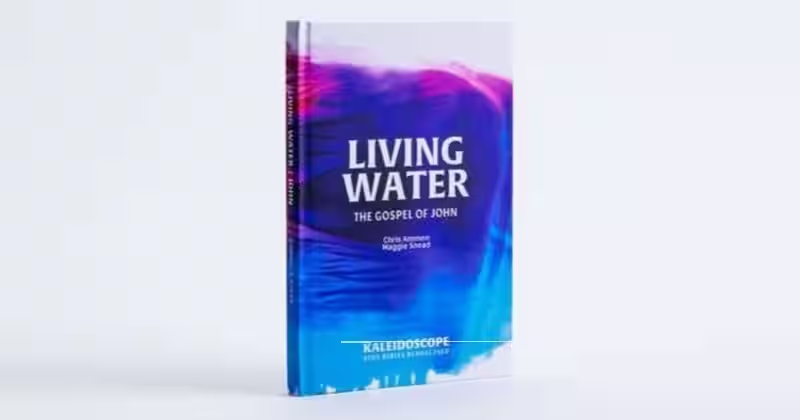
The concept of "living water" in scripture, often associated with Jesus Christ, isn't just a metaphor. It's a powerful symbol representing spiritual sustenance and eternal life. This article explores the various portrayals of living water in the Bible and how this concept resonates with our contemporary lives. We'll delve into the historical context, the different interpretations, and ultimately, consider how the promise of living water can impact our spiritual journeys today. This concept of living water is not merely a historical concept; it provides a profound and deeply personal connection with the divine.
From the Old Testament's descriptions of the water from the rock in the wilderness to the New Testament's accounts of Jesus's teachings, the theme of living water repeatedly emerges. This underscores its crucial role in shaping humanity's understanding of God's provision. The living water represents a profound shift from physical thirst to spiritual hunger, highlighting the importance of a deep, personal connection with God.
Even before Jesus's ministry, the concept of a life-giving water source was prevalent. The story of Moses striking the rock and water gushing forth in the desert (Exodus 17) illustrates a tangible connection between God's provision and the living water. This water symbolized God's unwavering commitment to sustain His people during times of hardship. This event foreshadows the spiritual sustenance that living water represents. For example, imagine a weary traveler in the desert - the appearance of a well-spring of living water would provide not only physical sustenance, but also a renewed sense of hope. This is the symbolic value of living water in the Old Testament, foreshadowing a greater gift to come.
The Old Testament also hints at living water as a promise of future fulfillment. Prophecies spoke of a river flowing from the temple, bringing life and blessing to all (Ezekiel 47). This imagery suggests a deeper, more profound source of life, a living water that transcends physical needs. Think of a river, constantly flowing, providing life and nourishment to all who depend on it. This is a powerful image of the living water that God offers.
The New Testament: Jesus as the Living Water
Jesus's teachings on the living water in John 4 are pivotal. He doesn't just offer physical water; He offers a living water that quenches the deepest spiritual thirst. This living water is a gift of eternal life, a testament to His transformative power. Jesus identifies Himself as this living water – the ultimate source of spiritual sustenance. This resonates powerfully with our modern lives; we all experience moments of spiritual exhaustion. Jesus's living water speaks to the constant need to draw strength and guidance from God.
Through Jesus's teachings and actions, the concept of living water transcended physicality. It became a profound representation of the Holy Spirit, the life-giving force at work within those who believe in Him. This living water, available to all who receive Jesus, is not just a theological concept; it's an experience of renewal and connection with God. Imagine a dry, thirsty land suddenly being watered by a life-giving stream – that is the impact of living water on the soul.
Living Water in Contemporary Life: A Spiritual Thirst
The concept of living water today isn't about miraculous fountains, but about a personal relationship with God. Applying this to our lives means actively seeking God's presence, allowing His word to sustain us, and nurturing a close connection with others who share our faith. For example, engaging in prayer, Bible study, and fellowship with other believers are practical ways to cultivate this spiritual living water. These are critical components of a life filled with living water.
Ultimately, the living water of scripture is a promise of spiritual sustenance, a source of hope, healing, and lasting peace. Recognizing this gift and actively seeking to drink from it is an essential component of a fulfilling spiritual life. Living water isn't just a concept; it's an experience, a journey, and a profound relationship with the divine. It's about recognizing that God's provision is available, deeply personal, and eternally sustaining.
Frequently Asked Questions about Living Water in Scripture
What is "living water" in the Bible?
The concept of "living water" in the Bible, particularly in John 4, refers to the spiritual sustenance that comes from a relationship with Jesus Christ. It's not literal water, but a metaphor for the eternal life and spiritual refreshment He provides.
Where does the concept of living water appear in the Bible?
The most prominent mention is in John 4, during Jesus' conversation with the Samaritan woman. However, other biblical passages allude to concepts of spiritual life and renewal that are connected to this idea.
Is living water the same as baptism?
While baptism is a significant Christian practice, living water in the spiritual sense is not identical to the physical act of baptism. Baptism is a symbol of the spiritual new birth, but living water represents the ongoing, sustaining, and life-giving relationship with God through Christ.
How is living water connected to salvation?
Living water, as a metaphor, signifies the spiritual life that comes through faith in Jesus Christ. It's the source of eternal life and the ongoing nourishment for the Christian believer.
What does "living water" mean in different religious traditions?
The concept of "living water" or a similar idea of spiritual refreshment isn't unique to Christianity. Other religions and spiritual traditions may have their own interpretations and associations.