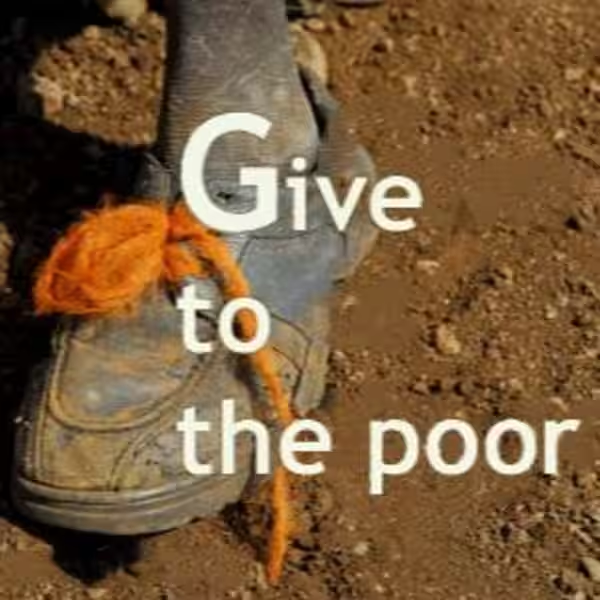
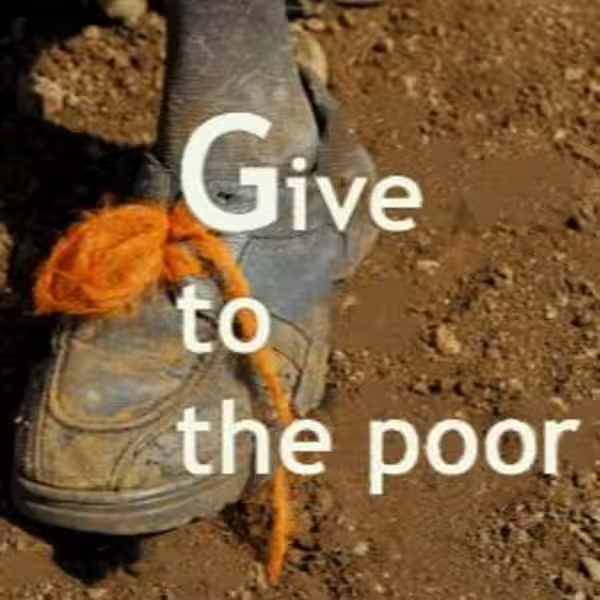
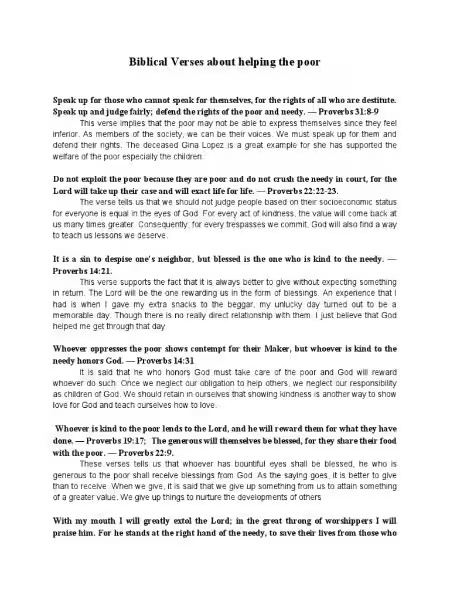
The concept of giving to the poor transcends time and religious boundaries, echoing through generations as a fundamental aspect of compassionate living. It’s a powerful expression of faith, a testament to our shared humanity, and a pathway to a more just and equitable world. From the ancient teachings of the Hebrew prophets to the modern-day charitable initiatives of many faiths, the call to help those in need resonates deeply with our souls. Generosity and empathy are crucial components of this practice, shaping our communities and fostering a sense of belonging for all.
This act of giving, often viewed as an act of worship, is not just about material possessions. It’s also about sharing our time, talents, and compassion. Imagine a scenario where you have extra food or clothes; instead of hoarding them, you decide to give them away to those who need them. This simple act can bring joy and sustenance to someone in need. Acts of kindness, no matter how small, can make a significant difference in someone’s life, often impacting their well-being and future opportunities. We can all find ways to be more generous, offering more than just monetary support, and contributing to a better world around us.
Many religions emphasize the importance of giving to the poor as a cornerstone of faith. Almsgiving is a common theme in various scriptures, highlighting its significance in fostering spirituality and community. For example, the concept of tithing in Judaism and Christianity, while often associated with financial contributions, encourages a broader understanding of generosity, going beyond just monetary gifts. In fact, many religious traditions stress that our actions, not just our beliefs, are critical parts of our faith. Giving to the poor helps to create a more equitable society, because it acknowledges that resources should be shared fairly amongst everyone.
Think of the parable of the Good Samaritan. It illustrates the importance of compassion and empathy in helping those in need, regardless of social standing or background. Stories like these, found in many religious texts, emphasize the idea that helping the poor is not simply a good deed, but a fundamental part of a virtuous life. This often involves practicing selfless acts, like volunteering time at a food bank or soup kitchen. These examples show how giving to the poor is not a one-time event; it’s a continuous commitment.
Practical Ways to Give to the Poor
Giving to the poor doesn’t have to be overwhelming. Small acts of kindness can make a substantial difference. Donating used clothing, books, or other items can be a simple yet effective way to support those in need. Consider volunteering at a local soup kitchen or homeless shelter where you can directly aid those facing hardship. Financial contributions are also vital, particularly to organizations that provide essential services to the less fortunate. There are many reputable charities working on the ground; research and find one that resonates with your values.
Important considerations when giving include ensuring the organization is trustworthy and transparent. Research their work to understand how your donation will be used. It’s also critical to consider the recipient’s needs. Often, a direct and personal connection makes a contribution more impactful. For example, donating to a local food bank or drop-off point allows you to see the tangible impact of your contribution. Remember, contributing to a better world can take many forms, from mentoring a child to donating blood, recognizing the value of every person.
Giving to the poor is not just a religious obligation; it’s also a profound act of personal growth. Acts of generosity foster empathy, compassion, and a deeper appreciation for the interconnectedness of humanity. When we give, we often find that we receive more than we give, experiencing a sense of fulfillment and purpose. This can lead to a sense of community, connecting us to others who are facing similar struggles and situations, creating a stronger sense of belonging to something larger than ourselves.
Giving to the poor fosters a sense of community and understanding beyond religious boundaries. It reminds us that we are all interconnected, and that our actions can positively impact the lives of others. Sharing resources and helping those in need is not just a religious principle; it’s a human imperative. This can lead to greater personal satisfaction and a more fulfilling life, fostering strong personal values.
Frequently Asked Questions
What are some verses about giving to the poor in the Bible?
Many verses in the Bible discuss charity and helping those in need. Examples include Matthew 25:31-46 (the judgment of the sheep and the goats), Deuteronomy 15:4 (the importance of not allowing the poor to go without), and Proverbs 19:17 (showing compassion to the needy).
What does [Specific Religion] say about giving to the poor?
[Specific Religion]’s teachings emphasize [Specific religion’s teachings on charity/giving/alms]. [Specific examples of verses/principles/practices].
How can I practically help the poor in my community?
Consider volunteering at local food banks, shelters, or soup kitchens. You can also donate clothes, offer transportation, or simply provide a listening ear to those in need.
What is the importance of giving to the poor in a religious context?
Giving to the poor is often seen as a demonstration of faith and a way to emulate [Specific religious figure/example]. It is viewed as a way to [Specific religious principles regarding caring for the poor].
What are some misconceptions about giving to the poor?
Some misconceptions include the idea that it is only for the wealthy or that it is a sign of weakness rather than strength. In reality, giving is encouraged for everyone, regardless of their financial status.