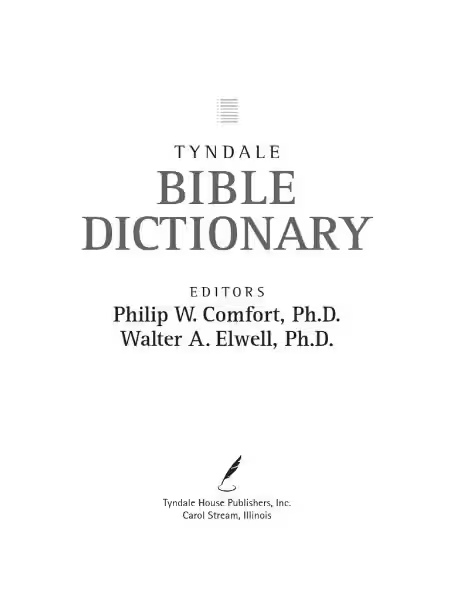
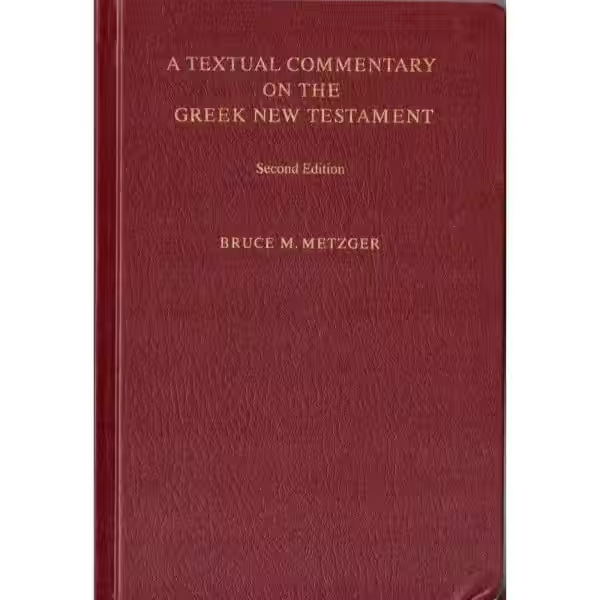
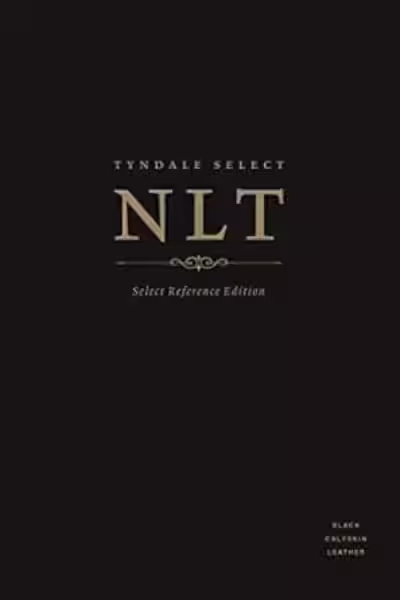
Delving into the depths of biblical understanding can feel like navigating a dense forest. The Tyndale Commentary, a significant resource for Christians, acts as a trusted guide, helping us navigate the intricate pathways of scripture. It provides a framework for interpreting the Bible, enriching our comprehension and fostering a deeper relationship with the divine. This commentary seeks to illuminate the historical and cultural context of biblical texts, empowering readers to grasp the true meaning behind words and phrases. Its purpose is not simply to provide translations, but to delve beneath the surface, unearthing layers of meaning often missed by a cursory reading.
Imagine trying to understand a conversation from another country. You wouldn’t just rely on a word-for-word translation, would you? The Tyndale Commentary, similarly, considers the historical context in which a biblical passage was written. This includes understanding the customs, beliefs, and social structures of the time. For example, understanding the concept of “righteousness” in the Old Testament requires an understanding of the covenant relationship between God and the Israelites, something that a simple reading often misses. By applying historical and cultural frameworks, the commentary facilitates a richer and more accurate interpretation of biblical truth.
Navigating the Complexities of Biblical Interpretation
Interpreting scripture can be a challenge, especially when dealing with complex theological concepts. The Tyndale Commentary offers a structured approach to understanding these subtleties, guiding readers through the key elements of biblical hermeneutics. Hermeneutics, simply put, is the art and science of interpreting texts. It’s crucial for drawing accurate conclusions about the author’s intent and the intended meaning of the scripture. This includes understanding literary genres, like poetry, prophecy, and historical narratives, as they affect interpretation. For example, a psalm is not meant to be interpreted literally in the same way as a historical account.
One essential element of the Tyndale Commentary is its emphasis on the interconnectedness of scripture. It encourages readers to see how various passages relate to one another, forming a complete and coherent picture of God’s plan. This holistic approach combats the potential for isolating verses and misinterpreting their significance. By considering the broader narrative, we can develop a more profound understanding of God’s character and purpose, as revealed throughout the Bible. A good example is how the Old Testament foreshadows events and figures in the New.
Applying the Commentary to Personal Faith
The Tyndale Commentary isn’t just an academic exercise; it’s a tool for spiritual growth. By understanding the historical and cultural context, readers gain insights into the challenges and triumphs of biblical characters. This, in turn, allows them to relate to these stories on a deeper, more personal level. For example, understanding the pressures faced by David in the Psalms can help us navigate our own struggles with temptation and faith. This enables a more meaningful application of biblical principles to daily life. Key benefits include:
Deeper understanding of God’s word
Spiritual growth and development
Improved relationship with the divine
Enhanced personal insight
This commentary helps equip believers to engage more thoughtfully with scripture, fostering a deeper connection with God. This isn’t merely about intellectual understanding, but about an ongoing process of encountering God’s voice in the text. By considering the nuances of the language, the historical context, and the literary style, readers develop a more complete and nuanced understanding of biblical truth, leading to a more profound and meaningful spiritual life.
The Tyndale Commentary serves as a valuable resource for believers seeking to deepen their understanding of God’s word. Its comprehensive approach, combining historical context with practical application, helps readers connect with the Bible on a deeper level. The commentary’s holistic perspective empowers believers to navigate scripture with confidence and apply its teachings to their daily lives. It encourages a more active and informed engagement with faith, fostering spiritual growth and deepening one’s relationship with the divine. By using this tool effectively, individuals can discover new levels of spiritual insight and find strength and guidance throughout their journey of faith.
Ultimately, the Tyndale Commentary is more than just a set of interpretations; it’s a journey of discovery. It invites readers to engage with the Bible not as a static collection of words, but as a living document, revealing God’s enduring love and guidance throughout human history. It offers a framework for developing a deeper and more intimate relationship with God. This enduring resource continues to benefit generations of believers by bridging the gap between the ancient world and the contemporary Christian experience.
Frequently Asked Questions about Tyndale Commentary
What is Tyndale Commentary?
Tyndale commentary refers to the annotated biblical commentary written by William Tyndale, a significant figure in the English Reformation. It is a resource for understanding the original languages and historical context of scripture.
What is the Tyndale Commentary’s significance in religion?
Tyndale’s commentary played a crucial role in the English Reformation by providing a direct access to the Bible in English, challenging the existing Latin translations and empowering individuals with scripture understanding. It fostered a sense of personal faith and sparked religious reform.
Modern editions and interpretations of Tyndale’s work can be found in various libraries, online resources, and theological bookstores. Direct access to original manuscripts is limited.
What are some common themes in Tyndale’s commentary?
Tyndale’s commentary often emphasized the importance of the original Hebrew and Greek texts, highlighting the significance of accurate translation, and the role of scripture in shaping Christian life.