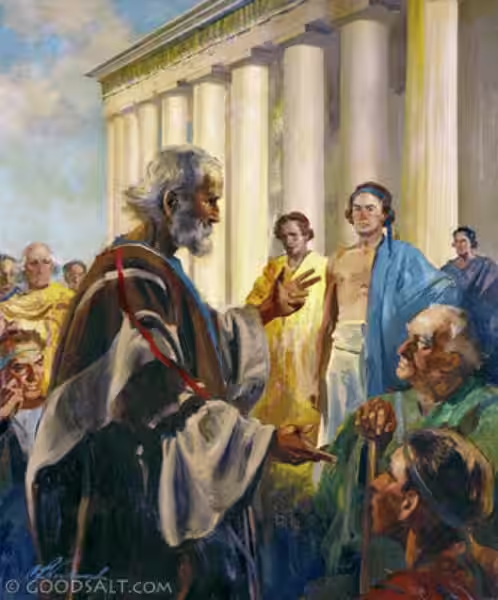
Preaching, a fundamental aspect of many religions, goes beyond simply reciting scripture. It’s a powerful art form that uses storytelling, rhetoric, and connection to inspire listeners and foster a deeper understanding of faith. It’s more than just words; it’s a vehicle for conveying values, motivating personal growth, and ultimately, shaping the lives of individuals. Think of a captivating sermon that resonated with you, leaving you feeling inspired and compelled to change, that’s the essence of powerful preaching.
Consider the impact a well-crafted parable can have. A captivating story, often drawing on everyday experiences, can illustrate profound spiritual truths in a way that’s easily relatable. For instance, a preacher might use the parable of the sower to illustrate the importance of nurturing faith in the face of challenges. This method makes the message more visceral, rather than just theoretical, and makes it stick with listeners long after the service is over.
Effective preaching involves more than just memorizing scripture. It’s about crafting a message that speaks directly to the hearts and minds of the audience. This requires a deep understanding of the listeners’ experiences, needs, and aspirations. Preachers need to consider factors like the current climate of the congregation, current events, and the individuals’ personal struggles. Ultimately, it’s about connecting with the audience on an emotional level.
A crucial element is clear and concise communication. A preacher needs to articulate their message in a way that’s easy to understand, while avoiding jargon or complex theological concepts that might alienate the audience. Think of it like a skilled storyteller weaving a tapestry of words. Clear language, strong storytelling, and relatable examples are key ingredients for every successful sermon. Remember, the aim is to instill a sense of understanding and hope, not to confuse or overwhelm.
Preaching styles vary considerably. Some preachers favor a more traditional, expository approach, delving deeply into specific passages of scripture. They might follow the text-based approach, carefully explaining the historical context, literary style and theological implications to understand the original message. Others might use a more contemporary approach, emphasizing personal stories and anecdotes to connect with the audience on a more immediate level.
Consider a few examples: A preacher passionate about social justice might use contemporary examples of inequality to illustrate biblical teachings on compassion and fairness. Another might delve into the challenges of modern life, using personal experiences or relatable situations. The key is to find a style that resonates with the congregation, making the message both relevant and impactful. Choosing the right style is like selecting the ideal tool to perform a particular task. You need a tool that is appropriate for the particular job at hand.
The Importance of Connection and Relatability
Ultimately, the core of effective preaching lies in fostering a connection with the audience. It’s about showing, not just telling. A preacher who can connect with people on a personal level, making the message feel relevant and relatable, can inspire profound change in their lives. By drawing parallels between abstract concepts and everyday realities, preachers can make the spiritual world tangible. This creates a deeper understanding and strengthens the bond between the speaker and the listener.
Think about a sermon that deals with forgiveness. If the preacher shares a personal story about a time they struggled with forgiveness, it will undoubtedly make the message much more meaningful and relatable. Personal anecdotes, when appropriately used, can add weight and impact to a sermon. It’s like having a conversation, not a lecture.
The impact of preaching extends far beyond the confines of the church. Preaching can ignite a flame of faith that burns brightly in the hearts of individuals, motivating them to live more meaningful and purposeful lives. Think of the countless individuals who have found solace, guidance, and strength in a sermon. By connecting with the spiritual needs of those seeking meaning, preachers have the potential to profoundly impact lives across society. The message may be rooted in religion, but its impact extends into the lives of all who hear it.
Preaching is not just about delivering a message; it’s about inspiring action. It’s about challenging listeners to live out their faith in concrete ways, both within their own lives and in their communities. By fostering a sense of belonging and connection, preaching can build up relationships and create a ripple effect of positive change. It’s a powerful tool for creating a better community.
Frequently Asked Questions
What is an example of a sermon/preaching?
A sermon or preaching is a religious discourse, typically delivered during a worship service. It often interprets scripture, offers moral guidance, and encourages reflection or action. A simple example might be a pastor discussing a passage from the Bible about love and applying it to contemporary relationships in the congregation’s lives. Another example could be a rabbi explaining a Torah portion and emphasizing its relevance to ethical decision-making in modern society.
What is religion?
Religion is a set of beliefs and practices related to the supernatural, sacred, or divine. It often involves a community of believers, rituals, and ethical codes. Religions vary widely in their specific beliefs, practices, and origins. They often provide frameworks for understanding the world, meaning, and morality.