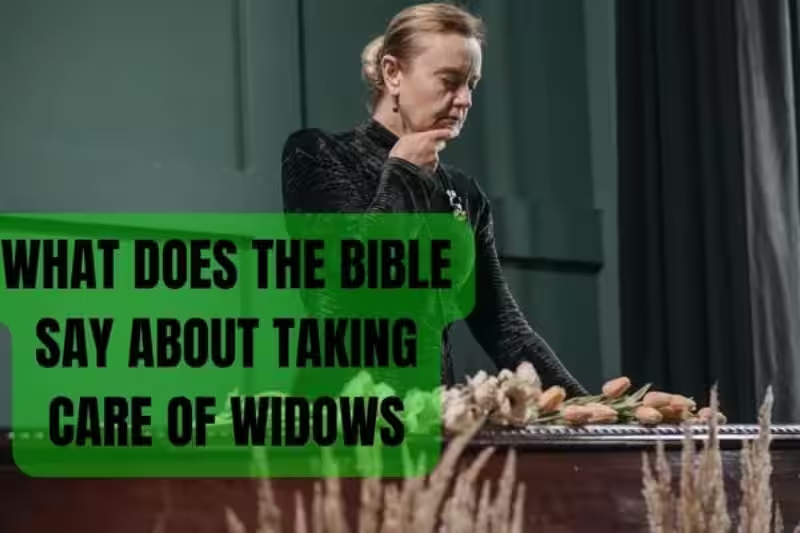
Widowhood is a challenging experience, marked by profound loss and often financial hardship. Scripture consistently emphasizes the importance of supporting those who have lost their spouses, recognizing their vulnerability and highlighting the community’s responsibility to care for them. This article delves into practical ways to apply biblical principles in caring for widows, drawing on various passages to offer a comprehensive and relatable guide. This isn’t just about religious obligation, but about demonstrating tangible love and compassion to those in need.
Many societies struggle to adequately support widows and other vulnerable individuals. Often, economic hardship, social stigma, and a lack of understanding create additional obstacles. Scriptural guidance provides a framework for overcoming these challenges and creating a compassionate community. Understanding the principles behind care for widows allows us to move beyond superficial actions and create lasting, meaningful support systems.
The Bible frequently highlights the need to care for widows. James 1:27 speaks of pure and undefiled religion as visiting orphans and widows in their affliction. This highlights the importance of practical action in demonstrating our faith, and not just relying on pious words. Examples can include providing monetary aid, preparing meals, offering a listening ear, or helping with household chores. Leviticus 19:9-10 also emphasizes our obligation to care for the vulnerable, including widows, showcasing how this is a fundamental aspect of a righteous life.
The Old Testament frequently emphasizes the responsibility of the community towards the marginalized, including widows. Deuteronomy 24:17 illustrates this, prohibiting unjust or exploitative treatment of a widow. This is not simply an act of charity, it’s a demonstration of justice and fairness within a community. We are called to be advocates for the vulnerable and ensure their basic needs are met. This includes actively challenging any societal attitudes or practices that harm widows.
Caring for widows isn’t just about material support; it also involves emotional and spiritual support. Listen to their stories, offer words of encouragement and empathy, and be present during difficult times. Practical assistance could involve helping with errands, providing transportation, or simply offering a comforting presence. 1 Timothy 5:3-16 highlights the importance of honoring and supporting widows, particularly those who are truly in need and unable to care for themselves. Consider: Creating a support group for widows, offering assistance with accessing resources, or simply scheduling regular visits to check on their well-being.
Practical steps include establishing a network of support, perhaps organizing a regular meal delivery program, or providing assistance with household chores. Consider creating a dedicated volunteer group to support widows. Another important element is ensuring widows have access to financial resources and educational opportunities. This can help them rebuild their lives and become more self-sufficient. This is not just about providing temporary relief, but about equipping widows with the tools to thrive.
Addressing Challenges and Obstacles
Supporting widows often involves navigating cultural norms and societal expectations. Sometimes, there are challenges, including preconceived judgements or a lack of understanding from the wider community. Addressing these challenges requires education and awareness. Open communication and a willingness to learn about the unique circumstances of each widow is crucial for effective support. Acknowledge their feelings and let them lead the conversation when they are ready. You can offer help by being present and listening.
Recognizing the potential for stigma, especially in isolated communities, is vital. Creating safe spaces where widows can connect with others in similar situations – without fear of judgement – is key. Encouraging open discussions about widowhood and grief can help normalize the experience and create a more supportive environment. Be patient, understanding that healing takes time. Building trust and rapport with widows is essential for providing effective support.
Caring for widows is a call to action, a reflection of our shared humanity, and a demonstration of our faith. Scripture consistently emphasizes the importance of this responsibility. It is not simply a fleeting act of compassion but a lifelong commitment to supporting those who have experienced loss. By actively engaging in practical acts of care, and by fostering a supportive community, we can create a positive impact on the lives of widows and contribute to a richer, more compassionate world.
Ultimately, caring for widows is not just a religious obligation; it is a human imperative. By applying the principles outlined in scripture, we can build a community that values and supports all its members, especially those most vulnerable. This is a journey that requires compassion, patience, and a deep understanding of the needs of those we are called to serve.
Frequently Asked Questions
What does the Bible say about caring for widows?
Various scriptures across different religious texts emphasize the importance of caring for widows and vulnerable individuals. These passages often highlight the need for compassion, generosity, and practical support for those who have lost their spouses and are facing economic hardship. Examples include providing for their basic needs, such as food, shelter, and clothing.
What is the religious perspective on caring for widows?
Many religions share a common thread of valuing compassion and social responsibility. Caring for widows is often viewed as a moral imperative, reflecting the principles of empathy, justice, and charity. Different faiths may have specific traditions or practices associated with providing support to widows, but the underlying message of care and concern remains consistent.