We all grapple with the complexities of money. It’s a powerful force that shapes our lives, influencing our decisions and often sparking anxieties. Simultaneously, our faith plays a crucial role in our ethical framework, guiding our actions and shaping our understanding of the world. This article explores the intersection of these two powerful forces, using the wisdom of Proverbs to shed light on practical applications in our lives. Proverbs offer insights into how we can navigate the world of finances with wisdom, integrity, and a strong spiritual compass.
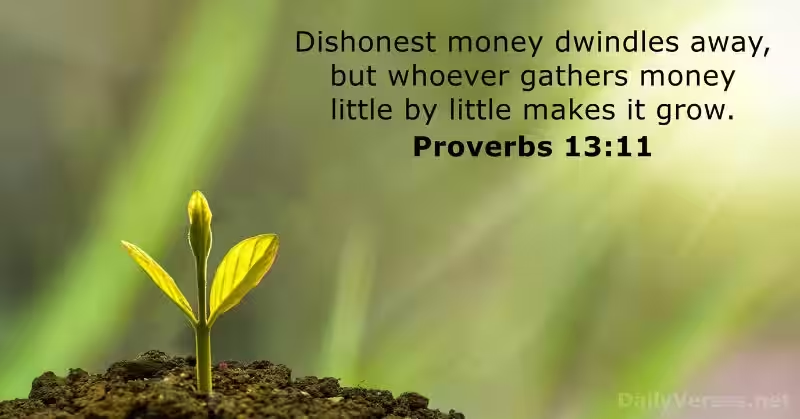
Proverbs offer a wealth of practical advice for handling money. They aren’t just ancient sayings; they’re timeless principles that resonate with us today. Consider Proverbs 13:11, which emphasizes the importance of careful financial planning: “Wealth gained dishonestly vanishes.” This speaks to the nature of rapid gains and the importance of integrity in our financial dealings. It emphasizes that true wealth is built on solid foundations, not fleeting profits. Examples include avoiding risky investments that could jeopardize our future and prioritizing ethical dealings over potential short-term financial gains. A further reflection is that Proverbs 28:20 reminds us that a righteous person cares for the poor, demonstrating that financial success shouldn’t come at the expense of compassion and social responsibility.
A strong faith acts as a guiding light in the often-turbulent waters of financial decisions. Faith isn’t a magical solution to all our financial woes; instead, it provides a framework for making wise choices and recognizing the bigger picture. Proverbs 3:5-6 highlights the importance of trusting in God’s guidance: “Trust in the Lord with all your heart and lean not on your own understanding; in all your ways submit to him, and he will make your paths straight.” This principle suggests that seeking God’s counsel before making significant financial decisions can lead to better outcomes. Seeking guidance from trusted mentors and advisors, while following your heart to a certain degree, can be a great help.
Consider the example of someone facing a major purchase. Instead of solely relying on their own financial calculations, they could pray for wisdom, seeking guidance from their faith community. This approach fosters not just financial prudence, but also a deep sense of reliance on God’s plan. Proverbs 22:1 reminds us: “A good name is more desirable than great riches; to be esteemed is better than silver or gold.” By prioritizing good character and ethical conduct over merely amassing wealth, we cultivate a relationship with God and build a stronger sense of inner peace and fulfillment.
Money, Generosity, and Spiritual Growth
Proverbs also emphasize the importance of generosity and philanthropy in the context of faith. Proverbs 11:25 states: “A generous person will prosper; whoever refreshes others will themselves be refreshed.” This verse connects generosity with prosperity, understanding that giving back to others can positively impact our lives spiritually and financially. This principle emphasizes the importance of charitable giving and acts of kindness in a world that often prioritizes wealth accumulation. It can be as simple as volunteering time or donating to a worthy cause. Helping others can lead to a wealth of spiritual fulfillment and profound joy.
Consider a small business owner who applies this principle. They might donate a portion of their profits to local charities or offer discounts to those in need. These acts of generosity cultivate a supportive community and also demonstrate the business owner’s commitment to their faith. Proverbs 19:17, “Whoever loves discipline loves knowledge; but whoever hates correction is stupid,” teaches us that generosity isn’t about depleting our resources, but about enriching our lives and the lives of others. It’s a virtuous cycle that leads to a healthier relationship with both our money and our faith.
Life inevitably throws challenges our way, including financial hardship. During these times, faith provides strength and solace. Proverbs 31:16 reminds us that “She considers a field and buys it; with the fruit of her hands she plants a vineyard.” This verse encourages us to be proactive, to work hard, and to seek productive solutions, like finding new opportunities, seeking wise counsel, or adjusting our spending habits. Faith gives us the strength needed to persevere and find our way through difficult circumstances. Remember to not be afraid to ask for help from God or others during these times.
During times of financial stress, it’s crucial to remember that faith provides a perspective that goes beyond the immediate challenges. Faith reminds us of the importance of long-term vision, ethical conduct, and the value of spiritual growth. Proverbs 10:4 provides a powerful reminder: “The sluggard craves and gets nothing, but the diligent hands acquire wealth.” This verse helps to clarify the importance of working hard and seeking opportunities to improve our financial situation. Faith gives us the power to overcome challenges with resilience, hope, and a deep sense of purpose.
Frequently Asked Questions about Money and Religion in Proverbs
What does Proverbs say about money?
Proverbs offers various perspectives on money, emphasizing its importance for practical needs and its potential pitfalls. It cautions against greed and its corrupting influence, while also highlighting the value of diligent work and skillful management. Ultimately, the verses suggest a balanced approach, recognizing money’s role in life but not allowing it to define one’s worth.
Different religions have varying perspectives on money, often emphasizing responsible stewardship and avoiding materialism. Many faiths teach that money should be used to support oneself and others in need, while simultaneously cautioning against the dangers of excessive attachment to material possessions.