You Are Not Defined by Your Mistakes Bible Verse Theme: Your Identity in Christ
Quick Answer: The you are not defined by your mistakes bible verse theme reminds us that God does not label us by our failures. In Christ, forgiveness is real, cleansing is offered, and a new identity is given. Your past may be true, but it is not your final word—God’s mercy defines you more than your worst day.
A Bible-shaped view of identity: from accusation to adoption
Throughout Scripture, God addresses a common human temptation: letting the enemy’s accusations become our self-definition. In biblical times (and today), people often feared being publicly named by their shame. Yet God repeatedly interrupts that pattern with covenant faithfulness, calling His people back to His character rather than their record.
In the Old Testament, the sacrificial system pointed to cleansing and restoration—sin was serious, but it was not final. God’s people were taught that mercy could be received and that worship could continue after repentance. In the New Testament, the message becomes even clearer: Christ’s work is the decisive turning point. When believers repent, they are not merely “reproved”; they are “renewed.”
This is why the you are not defined by your mistakes bible verse theme is not denial of sin, but a refusal to live under condemnation. The Bible distinguishes between truthful confession and permanent labeling. In Christ, we can admit what we did without agreeing that “that’s who we are.”
A word-study on condemnation vs. cleansing (general overview)
Several New Testament concepts help explain this theme. First, the idea of condemnation is often expressed in language tied to judgment that condemns rather than corrects. Believers are told that in Christ there is no lasting condemnation for those who belong to Him.
Second, cleansing imagery appears frequently. Greek terms related to “purifying” and “washing” convey more than surface change; they suggest a thorough removal of guilt’s stain. Another related concept is “renewal,” which implies transformation rather than mere improvement.
Finally, “repentance” involves a change of mind and direction. In the biblical worldview, repentance is not self-hatred, but turning back to God. When repentance meets God’s mercy, identity shifts from “the one who failed” to “the one God is restoring.”
1) The Bible makes room for confession—without letting confession become identity
One of the clearest ways Scripture protects us from despair is by separating confession from condemnation. Yes, your mistakes are real. Scripture never trains believers to pretend wrongdoing. But it also refuses to treat sin as your permanent name.
When you confess, you tell God the truth. When you repent, you turn. When you receive forgiveness, God cleanses the conscience. That sequence matters. Condemnation says, “You are what you did.” God’s conviction says, “You are loved, so come back.”
This is why the you are not defined by your mistakes bible verse theme can be comforting rather than confusing. God’s discipline is restorative, not exterminating. He can address sin directly while still affirming the person He is rebuilding.
Think of how many believers in the Bible went through seasons of failure and still ended up used by God. That doesn’t mean consequences vanish. It means God’s mercy is larger than the damage sin caused. He can heal, restore, and re-purpose your story.
So if your failures haunt you, bring them to the light in prayer. Confess specifically. Ask for cleansing. Then do the next obedient step—because identity is shaped by ongoing surrender, not by one historic moment of collapse.
2) “In Christ” is the identity marker that overrides your past
The New Testament repeatedly anchors belonging in Christ, not in personal performance. Your past behavior may have been sinful, but Christ’s atonement speaks over that record with a different verdict.
The Bible teaches that God’s people are justified—declared right—through faith. That declaration changes how you interpret your life. You no longer read your story only through the lens of guilt; you read it through God’s covenant mercy.
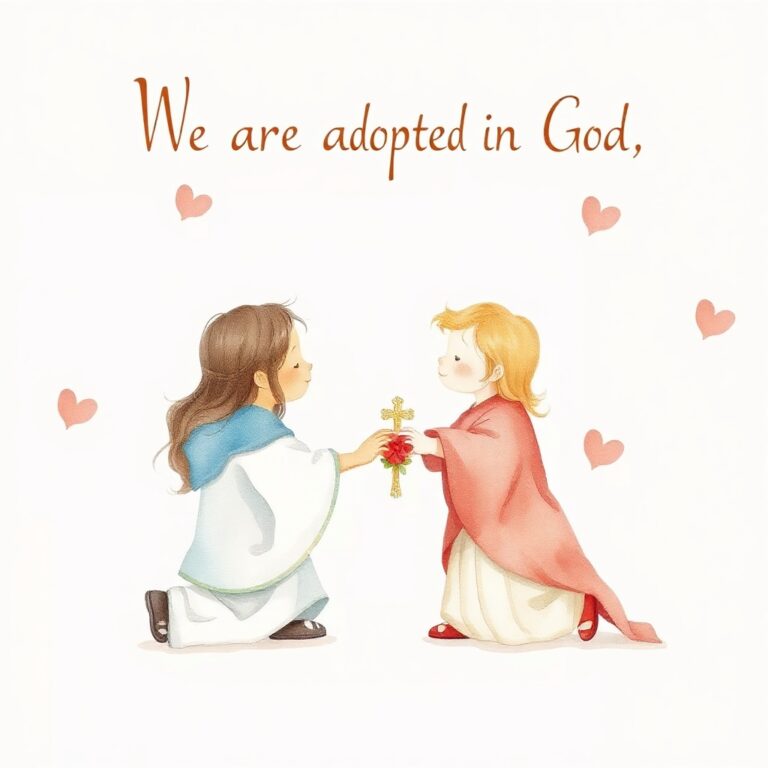
This is where many believers need healing from a subtle lie: that repentance means “starting over from shame.” In reality, repentance means returning to God as your Father. A child can fall and still belong. The relationship doesn’t depend on flawless behavior; it depends on God’s steadfast love.
God also equips with the Holy Spirit. Instead of being trapped in cycles of defeat, believers are given power for new patterns. The Spirit does not excuse sin, but He does break its grip.
So live in a new rhythm: acknowledge reality, receive grace, and walk forward. When your mind tries to label you as “nothing but your mistakes,” answer with Scripture: God calls you redeemed. God calls you washed. God calls you His.
That is the heart of the you are not defined by your mistakes bible verse theme: not denial, but redefinition through grace.
Next steps when your failures keep defining you
If you’re struggling with shame, try this Scripture-aligned path. First, name the sin clearly in prayer. Specific confession breaks the power of vague self-condemnation. Second, ask for cleansing and forgiveness (1 John 1:9 reflects this posture). Third, make one repair step: apologize where needed, return what you can, and seek counsel if patterns are recurring.
Fourth, replace self-talk. When you hear the inner voice saying, “That’s who you are,” counter with God’s truth about your standing in Christ. Re-read passages about mercy and renewal, not just passages about failure.
Fifth, stay connected to the Body of Christ. Isolation strengthens shame. Community supports repentance and provides accountability.
Finally, remember that growth is often gradual. God may work through consequences, but He can still produce fruit. Your future is not hostage to your past—because your identity is secured in Christ.
Related Bible Passages
1 John 1:9
If we confess our sins, God is faithful and just to forgive and to cleanse us from all unrighteousness.
Romans 8:1
There is no condemnation to them which are in Christ Jesus.
If any man be in Christ, he is a new creature: old things are passed away.
Psalm 103:12
God removes our transgressions from us as far as the east is from the west.
Isaiah 43:25
God promises to blot out sins and remember them no more.
Frequently Asked Questions
Is there one specific Bible verse that says, “you are not defined by your mistakes”?
The idea is not tied to a single one-line verse, but it’s a clear Bible theme. Scripture teaches that confession leads to forgiveness, and that in Christ there is no lasting condemnation. Key supporting verses include 1 John 1:9 and Romans 8:1.
What should I do if shame keeps coming back after I’ve repented?
Bring the concern back to God through honest prayer and the truth of His forgiveness. Then take practical steps: repair relationships where possible, seek accountability, and replace shame-based thoughts with Scripture about renewal. Shame often lingers, but it isn’t authority.
Does this theme mean God ignores sin or consequences?
No. The Bible treats sin seriously and calls for repentance. But it distinguishes between consequences and condemnation. God can address sin, rebuild a person, and still offer cleansing and restoration through Christ.
How can I help someone who feels unworthy to return to God?
Encourage them to confess honestly and receive God’s forgiveness (1 John 1:9). Remind them that belonging in Christ brings mercy, not rejection. Offer practical support, prayer, and wise accountability—so repentance becomes a new start, not a lonely struggle.
A Short Prayer
Lord Jesus, thank You that my identity is secured in You, not in my worst moments. When my mind returns to shame, remind me of Your forgiveness and cleansing. Give me repentance that turns me toward You, and renewal that reshapes my thinking. Teach me to take the next faithful step, and keep me close to Your people. Amen.
Key Takeaway: You may have made mistakes, but in Christ you are forgiven, cleansed, and redefined by God’s mercy rather than your past.