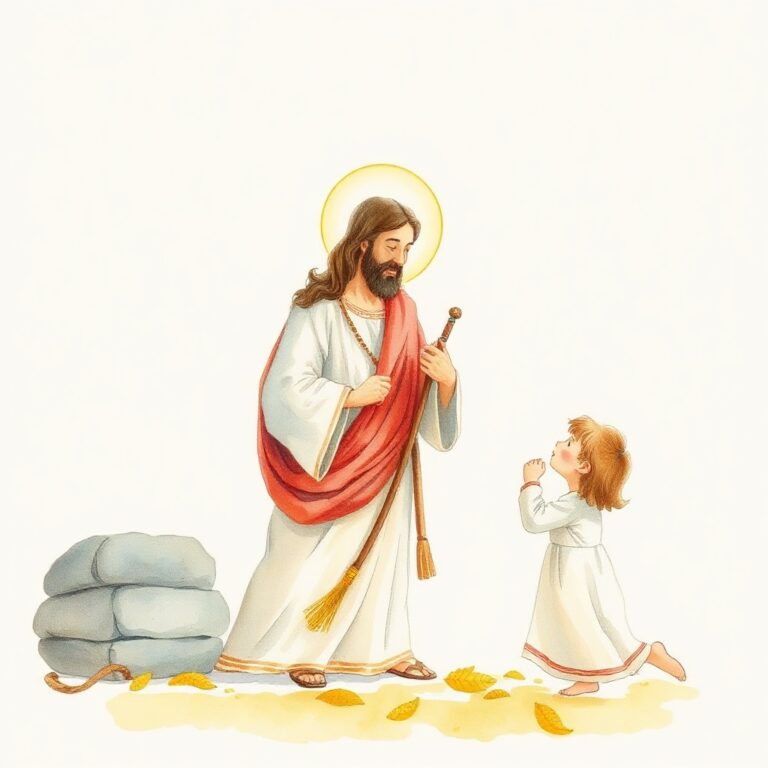
Commentary on the Book of Mark: Jesus the Servant King Who Saves
Quick Answer: This commentary on the book of Mark follows Jesus as the Servant King—active in miracles, honest about discipleship, and determined to go to the cross. You’ll see how Mark moves quickly from deeds to warnings, showing that faith is proved through obedience. By the time you reach the empty tomb, Mark calls you to trust Jesus fully and follow Him faithfully.
Historical Context: Why Mark’s Story Feels Urgent
Mark’s Gospel is shaped by rapid movement and a focus on what Jesus did as well as what people failed to understand. The early church widely associated Mark with the ministry of Peter, and many readers note that Mark’s writing has the feel of an eyewitness testimony filtered through preaching. Regardless of the exact details of authorship, Mark’s audience likely needed strengthening under pressure—people who were tempted to shrink back from faith.
Mark presents Jesus with a sense of immediacy: “straightway” and swift scenes push the reader along. Instead of lingering on long speeches, Mark spotlights actions—teaching that happens as Jesus heals, commands demons, calls disciples, and confronts religious hypocrisy. This emphasis helped believers see that following Christ is not theoretical; it is practical, costly, and time-sensitive.
The path Jesus walks becomes the central lesson. Mark’s narrative gradually tightens toward Jerusalem, where conflict escalates and suffering begins to define the mission. Even when crowds cheer, the Gospel insists that true discipleship means taking the way of the cross.
In this historical lens, a “commentary on the book of mark” becomes more than an explanation of verses; it becomes a spiritual invitation. Mark writes as if faith is being tested in real time—and he wants his readers to stand firm.
Original-Language Note: Key Greek Emphases in Mark
Mark was written in Greek, and several Greek emphases shape how readers experience Jesus’ mission. One is the repeated sense of immediacy—Greek terms and narrative pacing convey that events happen “at once,” underscoring urgency rather than delay. Another is the use of words connected to “faith” and “trust.” In many passages, belief is not merely mental agreement; it is reliance that shows itself in obedience.
Mark also frequently uses language related to “repentance” and “turning.” The idea is not regret alone, but a change of direction—an inward shift that affects conduct. In addition, Mark describes Jesus’ authority using terms that communicate both power and rightful kingship: His commands carry weight.
While pinpointing every etymology precisely can be uncertain without deeper manuscript study, these themes are consistent with Mark’s Greek style: urgency, trust that acts, and authority that confronts evil and transforms people.
1) Mark Introduces Jesus as the Servant King (Chs. 1–3)
Mark opens with the announcement of God’s kingdom and quickly shows what that kingdom looks like. Jesus teaches with authority, calls disciples, and demonstrates compassion through healing. Even early on, Mark highlights the pattern that will dominate the entire Gospel: Jesus’ power is undeniable, yet human hearts are often resistant.
Watch how Mark portrays the tension between amazement and misunderstanding. People witness miracles, but they still struggle to recognize Jesus rightly. Some want the benefits without the obedience. Others are drawn to Him, yet still resist the message He brings.
This opening section also reveals Jesus’ identity as Servant King. He is not portrayed as a distant ruler; He moves among people, touches the unclean, and restores those who have been pushed aside. The miracles are not random spectacle—they are signs that God’s reign is arriving.
At the same time, Mark reminds us that discipleship begins with a response to Jesus’ call. The disciples are called, but they don’t immediately understand. That’s important for readers today: the Gospel does not pretend that genuine following starts with perfect spiritual clarity. Following Jesus begins with being willing to learn—then being willing to obey.
A Bible commentary on Mark often notes that Jesus’ authority sparks opposition as well as interest. The enemy’s presence is real, and spiritual conflict is part of the narrative from the start. Mark teaches that faith is not escape from trouble; faith is walking with Christ through it.
2) The Way of the Cross: Faith That Follows Through (Chs. 4–10)
In the middle chapters, Jesus teaches in parables and explains that the kingdom grows in ways people don’t fully control. Mark uses these scenes to expose what’s inside the heart. Some receive the Word with joy and then falter. Others hear but still cling to distractions. The point is sobering: the kingdom requires inward responsiveness.
Mark also deepens the reader’s understanding of suffering. Jesus repeatedly tells the disciples that He must go to Jerusalem, suffer, and be rejected. Their reactions reveal a common problem: they want victory without the cross. They imagine greatness as position rather than sacrifice.
Throughout this section, Jesus reshapes expectations. He calls for humility, servanthood, and costly obedience. Miracles continue, but the emphasis shifts: the greatest work is preparing hearts to endure and trust God when circumstances turn harsh.
This is where a devotional study of Mark becomes personal. When life presses in, do we treat Jesus’ words as optional? Do we prefer comfort to obedience? Mark’s narrative insists that true faith clings to Jesus even when the path is difficult.
Mark’s style keeps the pressure on. He doesn’t allow the reader to stay detached. Each new event asks, “What will you do with who Jesus is?” In this way, the book becomes a mirror. It invites you to follow Jesus not only in moments of blessing, but also in seasons of misunderstanding and waiting.
3) Jerusalem and the Empty Tomb: Salvation Revealed (Chs. 11–16)
As Mark moves into Jerusalem, the story intensifies. Jesus confronts hypocrisy, authority is challenged, and the religious climate becomes openly hostile. The narrative now forces the reader to choose: will you honor Jesus or resist Him? Mark shows that crowds can be fickle—praise one moment, pressure and fear the next.
Then the cross comes into focus. Jesus suffers unjustly, and Mark presents this as the fulfillment of God’s saving purpose. Even in pain, Jesus does not surrender His mission. He speaks truth, bears rejection, and continues to embody the Servant King identity.
For the disciples, the cross is confusing and shattering. Mark makes room for human weakness. Their abandonment and fear are not glossed over; they are part of the reality of discipleship. Yet Mark’s ending refuses to stop at despair.
The resurrection is God’s final word. The empty tomb is not presented as a rumor but as the turning point that redefines meaning. Mark’s ending emphasizes that the risen Christ restores hope and calls His followers to continue the mission.
A Mark gospel commentary for believers often highlights this: Mark doesn’t end with long explanations—he ends with a demand to respond to the risen Jesus. You don’t just receive information; you meet the living Christ and must decide how you will live.
In the end, “commentary on the book of mark” leads you to worship, repentance, and courageous obedience—because the Servant King truly saves.
How to Live What Mark Teaches
Read Mark with an obedience lens, not only a curiosity lens. Each chapter presses toward action: Jesus calls, confronts, heals, and redirects hearts. Ask yourself: What is Jesus asking me to trust right now? What is He exposing in me—fear, pride, impatience, or resistance?
Practice “faith that follows through.” Mark repeatedly shows that discipleship involves continuing on the path even when understanding lags behind. When you don’t feel confident, you can still obey what Christ has already revealed through Scripture.
Also, let Mark’s urgency change your prayer life. If the kingdom is near, you can pray with immediacy: “Lord, soften my heart. Help me believe and obey.” When you face opposition or misunderstanding, remember that following Jesus can invite conflict—but His authority remains.
Finally, respond to Jesus’ resurrection with mission-minded living. The empty tomb is not merely comforting; it is commissioning. Choose one step of obedience this week—serving someone, forgiving someone, or turning away from a known sin—and do it in the name of the risen King.
Related Bible Passages
Mark 10:45
Jesus explains His mission as giving His life as a ransom for many, reflecting the Servant King theme of Mark.
Mark 8:34-35
True discipleship involves denying self, taking up the cross, and finding life by losing it for Christ.
Mark 1:15
Jesus calls for repentance and faith in the gospel, setting the spiritual direction for the entire book.
John 20:27
When Jesus meets believers after resurrection, He invites honest faith—touching, believing, and moving forward.
Romans 8:1
Christ’s saving work brings no condemnation for those in Him, echoing Mark’s message of deliverance.
Frequently Asked Questions
What is the main message of a commentary on the book of Mark?
Mark emphasizes Jesus as the Servant King: His authority is shown through miracles, yet His mission culminates in the cross and resurrection. The Gospel repeatedly calls for real faith—trust that obeys—rather than curiosity without commitment.
Why does Mark seem so fast-paced compared to other Gospels?
Mark’s narrative style creates urgency. Events move quickly to keep attention on what Jesus is doing and calling people to respond. The speed also highlights that discipleship has weight and timing—faith must act.
What theme connects Mark’s miracles to the suffering of Jesus?
The miracles are signs of God’s kingdom breaking in, but the cross is the kingdom’s saving climax. Together they teach that Jesus’ power is not only for escape from trouble, but for redemption through obedience.
How should I apply Mark if I struggle with fear or misunderstanding?
Mark includes real disciples who misunderstand and fear. Let that comfort you without excusing delay. Bring your confusion to Jesus in prayer, follow what you understand from Scripture, and keep walking—even when clarity comes later.
A Short Prayer
Lord Jesus, thank You for the urgent, saving story of Mark—You who heal, teach, confront evil, and go to the cross for my redemption. Forgive me for wanting benefits without obedience. Strengthen my faith when I feel confused or afraid, and help me follow You faithfully in daily choices. Make the resurrection real to me, and use me to advance Your kingdom. Amen.
Key Takeaway: Mark shows that Jesus’ authority leads to the cross, and the cross leads to resurrection-faith that must be lived.