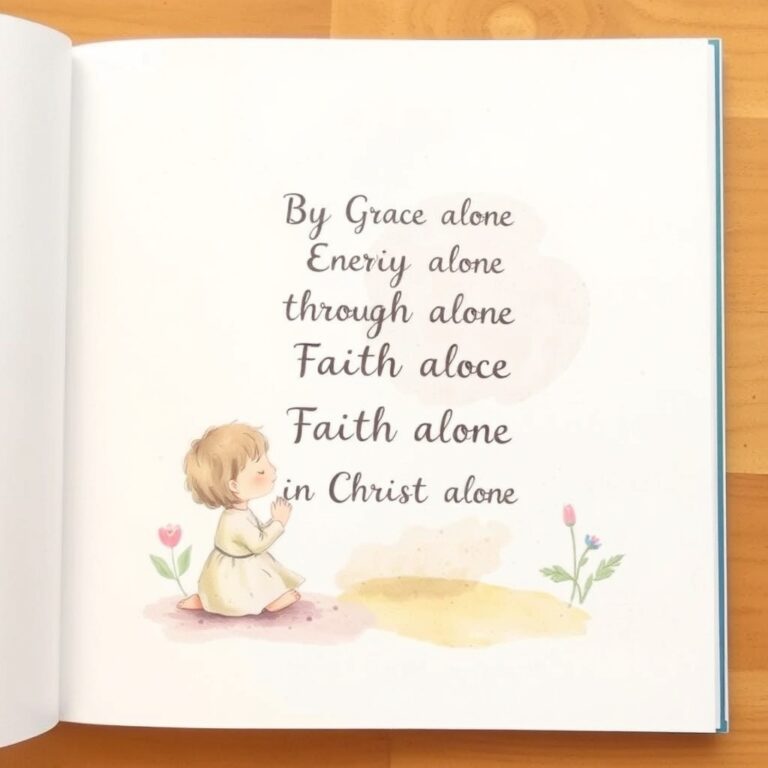
By Grace Alone Through Faith Alone in Christ Alone—A Biblical Theme for Every Believer
Quick Answer: The truth behind by grace alone through faith alone in christ alone verse is that salvation is God’s gift, received by trusting Christ—not earned by works. Scripture shows that God justifies the ungodly through faith because of Christ’s work, and then the saved life bears fruit as a response of gratitude.
Why the Bible Stresses Grace, Faith, and Christ
In both the Old and New Testaments, God’s people wrestled with the same question: “How can I stand before a holy God?” Israel had God’s law, rituals, and sacrifices, yet their hearts could still drift toward self-trust. In the New Testament, some teachers pushed for adding human merit—especially by requiring works of the law—as if Christ’s saving work were incomplete.
Paul addresses that conflict throughout Romans and Galatians. The core message is not that obedience is unimportant, but that obedience cannot become the basis of acceptance with God. If someone could boast in his works, then grace would no longer be grace. Instead, God’s saving plan is rooted in Christ’s person and finished work: the cross deals with sin; the risen Christ grants a living righteousness received by faith.
This theme also appears in Hebrews and Ephesians: believers draw near to God through Christ, not through their own credentials. The early church learned that the gospel is not self-improvement to earn salvation; it is salvation by God’s initiative, leading to transformed life. That is why the Bible repeatedly connects grace with faith and faith with Christ.
Word Notes: Grace, Faith, and “In Christ”
Several New Testament terms shape this theme. “Grace” is commonly expressed with the Greek word charis, meaning gracious favor—something given rather than achieved. “Faith” is often pistis, which can refer to trust or faithfulness depending on the context, but in salvation discussions it emphasizes reliance on God’s promise. The phrase “in Christ” points believers’ union with Him; “in” (en) regularly signals a location or identification—believers are brought into Christ’s saving sphere.
When these ideas combine, the message is consistent: God offers gracious acceptance through Christ, and people receive that acceptance by trusting His promise rather than building a payment of works. That does not erase obedience; it changes the basis of obedience. Good works become the fruit of grace, not the foundation for earning grace.
The gospel is unthinkable without God’s initiative. Humans are not neutral seekers who merely need better information; all are accountable before a holy Judge. For that reason, the Bible presents salvation as undeserved favor. Grace means God gives what we cannot manufacture—pardon, adoption, and a new standing before Him.
In Romans, Paul explains that justification is not wages earned by merit. The language of “gift” and “free” appears often because grace guards the heart of the message: no one can take credit. Even the desire to believe is stirred by God’s mercy. Grace humbles boasting and magnifies God’s character: He is just and saves through a way that satisfies His holiness.
Grace also guards the believer from fear-based religion. If acceptance depended on performance, assurance would wobble daily. But if acceptance is grounded in Christ’s work and God’s promise, then faith can rest.
So when Scripture says God saves by grace, it does not encourage carelessness; it produces gratitude. A saved person may still struggle, but the struggle is not an attempt to earn love—it is a response to already received mercy. Grace alone therefore protects both God’s glory and the believer’s confidence.
Through Faith Alone: Trust Is the God-Designed Response
If grace is the source, faith is the means of receiving. The New Testament consistently portrays faith as trusting reliance on God’s promise in Christ. Faith does not mean “agreeing with facts” while remaining self-centered. Real faith turns from self-trust to Christ-trust.
Paul’s point in Romans and Galatians is that works of the law cannot justify. Works reveal obedience (and sometimes reveal the need for grace), but they cannot serve as the legal basis for being declared righteous. That basis is Christ Himself. Faith, then, is not a human achievement that forces God to act; it is the empty hand that receives what God freely provides.
Faith also becomes the lens through which believers interpret their past and future. When guilt rises, faith does not deny sin; it looks to Christ’s finished sacrifice. When fear rises, faith does not deny weakness; it remembers that the same God who justified can sustain. The Christian life is therefore “from faith to faith,” a life of continual dependence.
This is why the theme is often summarized as by grace alone through faith alone in Christ alone. It protects the gospel from two errors: adding human merit (which undermines grace) and removing repentance or obedience (which betrays the purpose of grace). The Bible holds both: justification by faith and sanctification by the Spirit.
In Christ Alone: The Cross and the Risen Savior as the Center
Christ is not an accessory to salvation; He is the center. “In Christ” means that salvation is accomplished through His person and work. The cross addresses sin; the resurrection confirms victory; the ascension establishes His reigning authority. Believers are not saved merely by ideas about Jesus but by union with the living Christ.
Hebrews presents Christ as the mediator who enables access to God. Ephesians describes a new life “in Christ” where believers are brought near. This is why the gospel can be summarized quickly and still be deeply biblical: grace originates with God, faith receives, and Christ accomplishes.
Christ alone also corrects misunderstandings about religion. If someone tries to get God by religious effort, they will miss the heart of the gospel. God does not negotiate salvation on human terms. Instead, He provides a Savior and calls people to trust Him. That trust is not abstract; it is personal—resting in the crucified and risen Christ.
When believers center everything on Christ, their identity becomes stable. They no longer measure worth by daily wins or losses. They measure it by God’s declaration over them because of Christ. Then obedience flows naturally: not to gain position, but because Christ has already granted it.
Live as Someone Who Is Already Accepted
If your standing with God depends on performance, you will either despair or boast. The theme of by grace alone through faith alone in Christ alone verse teaches a better path: rest in God’s gift and then walk in it. Start by shifting your “why” behind prayer and repentance. Repentance is not a bribe; it’s agreement with God’s truth. Prayer is not begging for reluctant acceptance; it is communion with a Father who welcomed you in Christ.
Next, practice faith when you feel unworthy. Ask, “What has Christ promised?” Then obey the next step God gives—reading His Word, forgiving others, confessing sin, serving in humility. Notice: obedience becomes evidence of life, not currency for forgiveness.
Finally, share this gospel clearly and gently. When you tell someone salvation is by grace through faith in Christ, invite them to stop trusting themselves and to trust Him. Encourage them that genuine faith produces change—though never as the payment for salvation.
In everyday life, grace reshapes your identity; identity reshapes your habits.
Related Bible Passages
Ephesians 2:8-9
Salvation is a gift by grace through faith, not by works, so no one can boast.
Romans 5:1
Justification comes through faith, bringing peace with God through Jesus Christ.
Galatians 2:16
A person is justified not by works of the law, but by faith in Jesus Christ.
Philippians 3:9
Believers seek righteousness that comes through faith in Christ, not confidence in law-keeping.
Hebrews 10:19-20
We have access to God through the blood of Jesus by a new and living way.
Frequently Asked Questions
Is there one single Bible verse that says “by grace alone through faith alone in Christ alone verse”?
The phrase functions as a faithful summary of several clear passages rather than a single isolated verse. Verses like Ephesians 2:8-9, Romans 5:1, and Galatians 2:16 present the same gospel pattern: grace is God’s gift, faith is the receiving trust, and Christ is the foundation of justification.
If we’re saved by faith, does that mean good works don’t matter?
Good works matter because grace produces them. Faith that is real will bear fruit over time. However, works cannot be the basis of justification. They are the evidence and outflow of salvation, not the payment for it.
How can I be sure my faith is not just religious effort?
Examine what you’re trusting. Religious effort tends to treat Christ as an added help to earn acceptance. Faith treats Christ as the ground of acceptance and aims to obey from gratitude. When you fail, faith runs to mercy, not to denial or self-punishment.
What does “in Christ” practically mean for daily Christian living?
“In Christ” means your identity and standing are secured by union with Him. Practically, it means your assurance is not based on your fluctuations but on Christ’s finished work. It also means you grow by staying connected to Him through Scripture, prayer, and dependence on the Spirit.
A Short Prayer
Father, thank You for salvation that is rooted in grace rather than our merit. Help us trust Christ alone—resting in His cross and resurrection. Strengthen our faith when guilt and fear rise, and teach us that obedience is the fruit of Your kindness, not the price of Your acceptance. Make our lives reflect the gospel we proclaim. In Jesus’ name, Amen.
Key Takeaway: Salvation comes from God’s grace, is received through faith, and rests on Christ alone—producing a changed life as an overflow of mercy.