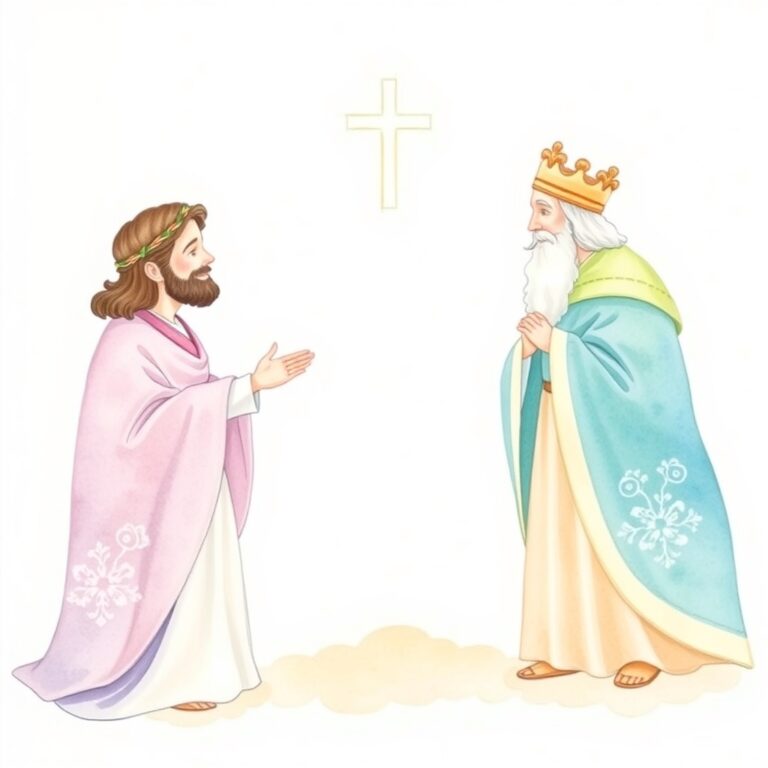
Bible Verse Faith Comes by Hearing: How God Builds Faith Through His Word
Quick Answer: The phrase “bible verse faith comes by hearing” points to a central biblical pattern: God uses His Word—spoken and heard—to awaken faith. Faith is not a blind guess or inherited religion; it is a response to what God reveals. As the message of Christ is proclaimed and received, hearts are changed, trust grows, and obedience follows.
Context: Why hearing mattered in the early church
In the New Testament, faith often spreads through proclamation. Believers gathered to hear Scripture read aloud, and the gospel was explained in public preaching and teaching. In that setting, “hearing” was more than sound waves—it was the moment a person encountered God’s message clearly and was called to respond.
This mattered because the earliest Christians lived in a world where people argued about God, debated truth claims, and formed loyalties to teachers. The church’s message stood against empty religion: Christ crucified and risen, offered freely, received by faith. When the message was faithfully proclaimed, hearers faced a spiritual choice: reject, delay, or repent and trust.
God’s plan was never simply “information only,” as though truth would automatically change anyone’s heart. Instead, hearing is the pathway through which the Holy Spirit works in the human heart—convincing, awakening, and guiding. That is why faith is consistently connected to what is heard and understood: the gospel, the promises of God, and the call to believe.
Original language note: “hear” and “faith” as a lived response
The New Testament connects faith with hearing using Greek terms that emphasize both perception and response. The word often translated “hear” can carry the sense of attending, giving attention, and receiving a message. It is not merely physical listening; it implies understanding and yielding. The word “faith” (Greek pistis) refers to trust and reliance—confidence placed in a person or promise.
While scholars discuss nuances of how exactly “hearing” relates to “faith,” the broad takeaway remains clear in Scripture: God’s Word is proclaimed, people hear it, and faith grows as the heart responds to God’s truth. In other words, biblical faith is relational and active. It trusts what God says, then lives accordingly.
1) “Hearing” is the doorway: the Word meets the heart
The principle behind bible verse faith comes by hearing is that God commonly initiates faith through His revealed message. Scripture does not present faith as something manufactured from inside a person. Rather, faith begins when God speaks—through the gospel, through preaching, through Scripture—and a person hears that message.
Hearing has a spiritual weight in the Bible. Jesus taught that some people hear and yet do not understand; others hear and receive with joy, but without roots; still others hear, keep it, and bear fruit (see the idea of the sower in the Gospels). That pattern shows that hearing can be superficial or it can become deep conviction leading to perseverance.
So when the gospel is heard faithfully, it confronts sin honestly, reveals Christ clearly, and offers grace freely. Faith then forms as a person believes God’s character and promises: that Christ is real, that His sacrifice matters, and that God can save and transform. This is why hearing is not optional. Without the message, there is nothing definite to trust.
At the same time, hearing is not the same as faith. You can hear and remain unmoved. Biblical hearing carries a call to believe—an invitation to respond. Faith comes as the heart not only understands, but trusts the God who speaks.
2) Hearing leads to believing, and believing leads to obedience
A common misunderstanding is to treat faith like a private emotion: “I feel confident, therefore I’m faithful.” Biblical faith is larger. It trusts God’s Word and results in action. That is why the gospel described in preaching always includes both a declaration and a summons.
When you read the New Testament, you notice that faith is connected to repentance, confession, and steadfastness. The message calls hearers to turn from sin and rely on Christ. That reliance is not passive; it bears fruit.
Therefore, bible verse faith comes by hearing is not a formula for instant belief, as if hearing guarantees salvation regardless of response. It is a God-established pathway. The Holy Spirit uses the spoken Word to awaken belief, and that belief changes how a person thinks, speaks, and lives.
This also explains why Scripture emphasizes the importance of teaching and discipleship. If faith grows through hearing, then believers should not treat Bible reading and church preaching as optional extras. They are the means by which God nourishes trust.
Yet hearing must be met with humility. Pride resists truth; distraction starves understanding. When we receive God’s Word with reverence, we are better positioned for faith to deepen from first conviction into lasting confidence—confidence that holds through trials, temptation, and uncertainty.
3) God’s Word doesn’t just inform—it confronts and comforts
Some people fear that if they hear too much Bible, they will feel guilty and crushed. But God’s Word is both searching and healing. It confronts sin, but it also reveals mercy. It exposes what is false, but it points to what is true and secure.
When faith comes through hearing, it is often because the message does two things at once. First, it reveals the seriousness of sin and the need for a Savior. Second, it presents Christ as the sufficient answer—His death for redemption and His resurrection for new life.
That combination produces a particular kind of faith: not self-confidence, but Christ-confidence. The hearer is invited to stop trusting in performance and instead trust God’s promise.
In practical terms, the Word rebuilds hope. It reminds the believer that God is faithful, that God’s promises stand, and that God can sustain a person when circumstances feel unstable. Many Christians testify that renewed hearing—through a sermon, Bible study, or reading Scripture aloud—became the turning point when fear loosened its grip.
So rather than viewing the Bible as merely information to accumulate, treat hearing as a meeting with God. As you engage Scripture, allow it to both humble you and encourage you.
4) How to cultivate “faith-hearing” in daily life
If faith grows through what we hear, then our spiritual habits matter. The question is not only, “Do I hear sermons?” but also, “How do I listen?”
First, seek the Word with an honest heart. Ask God for understanding, not just entertainment. Second, take notes and revisit passages. Faith deepens when truth is remembered and applied. Third, discuss Scripture with others in a way that encourages obedience rather than mere debate.
Fourth, practice hearing in community. God’s people are meant to build one another up. As iron sharpens iron, questions are clarified and faith is strengthened.
Finally, align your hearing with obedience. If God’s Word corrects you, receive that correction. If it commands you to forgive, reconcile, or serve, don’t delay. Hearing without response becomes frustration. Hearing that results in obedience becomes steady growth.
This is why the gospel doesn’t remain an idea. It becomes a new way of living. When faith is fed by hearing, it becomes resilient—able to withstand discouragement and able to continue trusting God’s goodness.
Practical steps for this week
1) Schedule regular hearing: choose a daily Bible reading plan or listen to Scripture being read and explained. Don’t only “browse”—receive.
2) Turn sermons into prayer prompts: after you hear the Word, pray through what you learned. Example: “Lord, help me believe Your promise about ______.”
3) Practice “heard-to-lived”: write one sentence from the message you heard (a promise, warning, or command) and choose one concrete obedience step today.
4) Share the gospel simply: if faith comes through hearing, then your witness matters. Invite someone to church, offer to read a passage together, or explain what Christ has done.
5) Stay humble: ask God for teachable ears. Faith grows best when pride isn’t competing with truth.
Related Bible Passages
Romans 10:17
Faith is linked directly to hearing the word of Christ, showing how God builds trust through His message.
Acts 4:4
When the Word was preached, many believed, illustrating the gospel’s power to create faith through proclamation.
John 5:24
Hearing Jesus’ words and believing Him results in life, connecting faith to reception of God’s revelation.
1 Peter 1:23
Believers are born again through the enduring word of God, emphasizing Scripture as the seed of spiritual change.
Luke 8:15
Those with an honest and good heart hear, keep the Word, and bring forth fruit—hearing that becomes lasting faith.
Frequently Asked Questions
What does “bible verse faith comes by hearing” mean?
It means God often creates and strengthens faith by using His Word that people hear and understand. Biblical hearing is not passive; it involves receiving the message with attention and responding in belief. As the gospel is proclaimed and listened to in faith, hearts are persuaded and transformed.
Does this mean hearing guarantees salvation?
No. The Bible connects faith to hearing, but hearing still requires response. People can hear without understanding, or hear without enduring. True faith involves trust in Christ that leads to repentance and obedience.
How can I strengthen my faith if I feel spiritually dry?
Return to the Word and make “hearing” intentional: read Scripture, listen to gospel preaching, and pray for understanding. Then apply what you hear—repent of known sin, practice trust in God’s promises, and take one step of obedience.
How should Christians share this truth with others?
Explain that faith grows through the gospel message, then share the message clearly and lovingly. Offer to read Scripture together, invite someone to hear preaching, and be patient—God uses the Word over time, often through repeated hearing.
A Short Prayer
Lord, open my ears to hear Your Word with understanding and my heart to believe You. Where my faith is weak, strengthen it through Christ and His promises. Teach me to listen well, receive correction humbly, and respond with obedient action. Use Your Word to comfort me, convict me, and guide me this week. Let the gospel I hear also overflow from my life to others. In Jesus’ name, amen.
Key Takeaway: God builds faith through the gospel Word that people hear, understand, and receive with obedient trust in Christ.