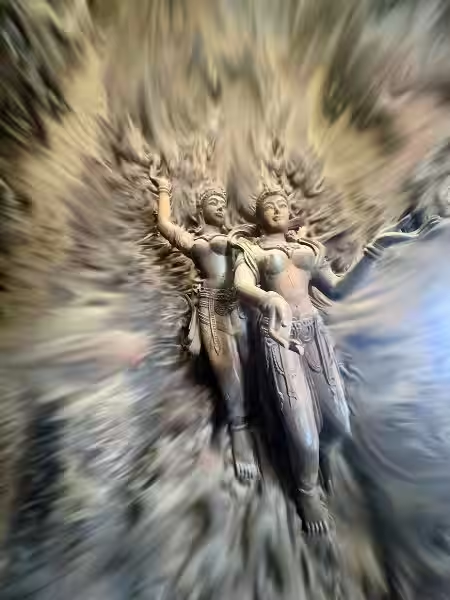
Across the globe, cultures have long recognized the presence of spirits intertwined with the natural world. These entities, often associated with the air, play a crucial role in many belief systems, influencing human lives in profound ways. Whether revered as benevolent guides or feared as mischievous forces, air spirits evoke a sense of the mysterious and the awe-inspiring. Their presence emphasizes the interconnectedness of the human experience with the unseen realms, reminding us of the vast power and beauty surrounding us.
The concept of air spirits is not limited to a single religion or culture. From the wind gods of ancient Greece to the elemental spirits of indigenous traditions, the idea of spiritual forces inhabiting the atmosphere permeates numerous belief systems. This diversity underscores the universality of human fascination with the unseen and the profound impact of the natural world on our spiritual understanding. For example, in some cultures, specific wind directions might be associated with different spirits, each with their own personality and influence. Understanding these subtle connections can shed light on the rich tapestry of human belief.
Many Indigenous traditions deeply integrate air spirits into their worldview. These spirits are often seen as keepers of the land, guardians of natural resources, and mediators between the visible and invisible realms. They are not just entities; they are powerful forces that shape the environment and influence human actions. For instance, an indigenous community might attribute a specific air spirit to a particular mountain range, respecting it and seeking its guidance before undertaking any important activity that impacts the land. Conversely, certain animistic traditions envision spirits in the air as embodying the very essence of the environment.
Ancient civilizations, such as the Greeks and Romans, also acknowledged air spirits, often linking them to weather patterns and natural phenomena. Divine beings often controlled the air, influencing the climate and harvests. These spirits could be invoked for assistance or appeased to avert misfortune. In Greek mythology, for example, the wind gods, such as Boreas (north wind), were powerful figures with the ability to significantly impact the lives of mortals. Similarly, Roman mythology featured similar deities associated with weather and air, demonstrating the importance of these forces in many ancient belief systems.
Air Spirits and Practical Applications
Air spirits are not just mythical figures; they can inspire and guide individuals. In many traditions, prayer and rituals are used to connect with these spirits. These practices can provide solace, strength, and a sense of connection to the wider world. For instance, some people might perform specific ceremonies to appease the spirits, hoping to improve their crops or prevent a storm. In modern contexts, the concept of air spirits can be interpreted metaphorically to represent the power and influence of ideas, concepts, or intangible forces shaping our lives.
Moreover, the concept of air spirits can foster respect for the environment. By recognizing these spirits as vital components of the natural world, individuals may cultivate a more profound connection to the planet. This connection can motivate actions promoting environmental conservation. A simple example would be an indigenous community’s reverence for the air spirits associated with a forest, motivating them to protect its resources and biodiversity.
Air Spirits: A Modern Perspective
In today’s world, the role of air spirits can be interpreted in various ways. Modern spiritual practitioners might find inspiration in the concept of universal energy, viewing air spirits as a manifestation of this unseen force. Furthermore, the reverence for the natural world, often inspired by the concept of spirits inhabiting it, can translate into practices like meditation and mindfulness, allowing individuals to find inner peace and connection with the world around them. These modern interpretations often emphasize the interconnectedness of all things, a concept that resonates with both scientific and spiritual perspectives.
Air spirits, in essence, offer a framework for understanding the unseen forces that shape our lives and the world around us. These spirits can be viewed as metaphors for the power of nature, the universal energy, or even the intangible forces that drive our motivations and aspirations. This understanding can provide a unique perspective on our place in the universe, reminding us of the profound interconnectedness of all things, from the tangible to the intangible.
Frequently Asked Questions about Air Spirits and Religion
What are air spirits?
Air spirits are supernatural entities believed to inhabit and influence the atmosphere, often associated with specific weather patterns, natural phenomena, or emotions. Their forms and powers vary across cultures and religions.
What is the role of air spirits in different religions?
The role of air spirits varies drastically depending on the specific religion. Some religions may view them as benevolent guides, others as neutral forces, and still others as malevolent entities. Some religions may not mention them at all.
How are air spirits worshipped or appeased?
The methods of worshipping or appeasing air spirits differ considerably. They may involve rituals, offerings, prayers, or specific actions to maintain harmony with the spirits and influence their behavior.
Are air spirits the same as angels or demons?
No, air spirits are distinct from angels and demons. While some similarities may exist in depictions of supernatural beings across various belief systems, air spirits typically fall into a separate category.
Can air spirits interact with humans?
Yes, air spirits are believed to interact with humans in various ways, ranging from subtle influences on thoughts and emotions to direct interventions in daily life.
How are air spirits depicted in art and literature?
Depictions of air spirits vary significantly across cultures and art forms. They might be depicted as ethereal beings, embodiments of specific weather conditions, or even as mischievous creatures.
How do air spirits relate to nature?
Air spirits are often linked to and considered integral parts of nature. Their presence is tied to weather patterns, geographical features, and living things within a specific region.