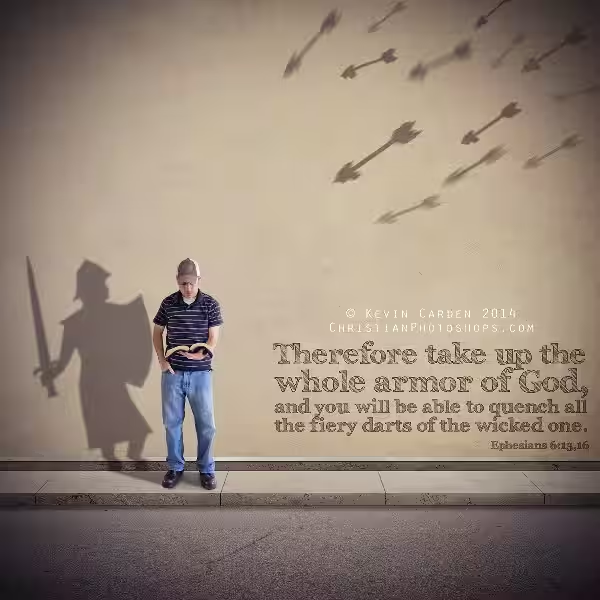
Throughout history, humans have sought solace and meaning in faith. Religion offers a framework for understanding the world and navigating its complexities, often providing a sense of purpose and a community. But what if we view the challenges we face, the very things that seem to stand in our way, as an enemy to be vanquished? From personal struggles to global conflicts, the idea of ‘the enemy is defeated’ can resonate deeply when viewed through the lens of faith. This article explores how various religions approach adversity and provide tools for triumph.
Consider this: when facing immense personal loss, a religious framework can provide a supportive community, a source of strength, and a belief in something greater. Prayer, meditation, and rituals can offer solace and a sense of order in the chaos. For example, the concept of karma in Hinduism suggests that actions have consequences. This understanding can inspire individuals to overcome obstacles by striving to act virtuously. Equally, Christian teachings on forgiveness and redemption can provide a way to move forward from past hurts and disappointments. When we see the enemy as the obstacle, we find the tools in religion to combat it.
Different Paths, Similar Goals: How Religions Tackle Adversity
Religions offer diverse perspectives on dealing with life’s hardships. Buddhism, for example, emphasizes the concept of dukkha (suffering) and the path to liberation through mindfulness and detachment. By recognizing the transient nature of things and cultivating inner peace, individuals can overcome the pain of loss, disappointment, and fear. This concept mirrors other religions, such as Christianity, which emphasizes the power of faith and love to overcome adversity.
Islam focuses on submission to God’s will, a concept that can instill resilience and acceptance during difficult times. The emphasis on community, support, and shared rituals creates a powerful network to navigate challenges together. Jewish tradition emphasizes the importance of Tikkun Olam (repairing the world). This concept encourages active participation in addressing societal issues and personal struggles, viewing adversity as an opportunity to make a positive difference. The enemy is defeated not just individually, but collectively in the case of many religions.
The Enemy is Defeated: Finding Strength Within Faith
The notion that “the enemy is defeated” isn’t just about external conflicts; it’s deeply personal. Facing inner demons like fear, doubt, or addiction can feel like an overwhelming struggle. Many religions offer frameworks for confronting these internal battles. Christianity emphasizes the power of God’s grace and the ability to overcome through faith and perseverance. Hinduism offers practices like yoga and meditation to cultivate inner peace and strength. Islam’s emphasis on the importance of seeking knowledge and understanding can empower individuals to make positive changes.
For example, understanding the concept of forgiveness in a religious context can foster self-compassion and resilience. Religious texts often provide stories of overcoming adversity that can inspire individuals. These stories can offer comfort, guidance, and a sense of hope. These religious tools can be applied to a myriad of daily struggles, helping us overcome challenges in love, finances, family, or careers. By aligning ourselves with religious principles, we empower ourselves to defeat the enemy within and without.
Cultivating Hope and Resilience Through Religious Practices
Faith-based practices can be powerful tools for cultivating hope and resilience. Prayer, meditation, and rituals create a sense of connection to something larger than oneself. These practices can help individuals find solace in difficult times and maintain a positive outlook. For example, daily prayer can create a routine of hope and peace, reminding us of our strength. The practice of meditation can cultivate self-awareness and calm. Community worship can foster a sense of belonging and shared experience.
Furthermore, religious teachings often emphasize the importance of compassion, kindness, and forgiveness. These virtues can help individuals to navigate difficult situations with grace and understanding. When we see the enemy as a problem to be overcome, religious practices offer clear paths. Viewing obstacles as challenges to overcome, as opposed to insurmountable walls, allows us to appreciate the power of hope and resilience. This ability to transform adversity through faith creates a sense of empowerment and victory, making “the enemy is defeated” a tangible reality.
Frequently Asked Questions
What happens when the enemy is defeated?
The outcome depends on the specific context. In some cases, peace is restored. In others, new conflicts may arise or the victor faces new challenges.
What role does religion play in defeating the enemy?
Religion can be a source of motivation and justification for both sides in conflict. Its role varies significantly depending on the specific religious beliefs and the nature of the conflict.