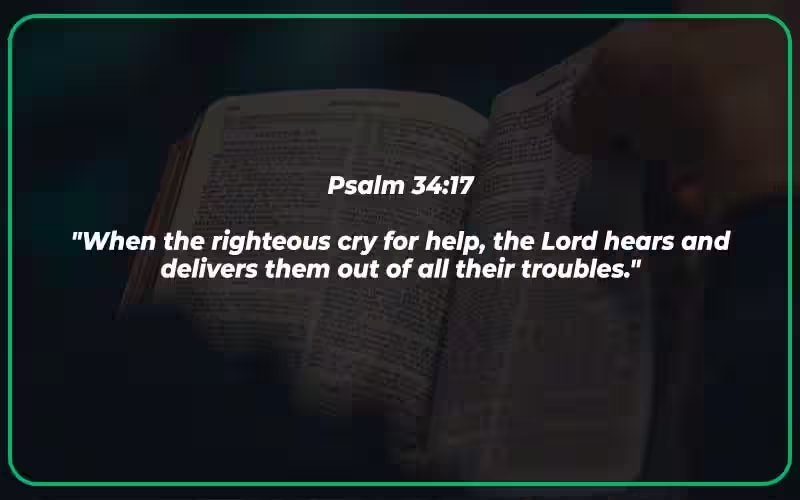
We all face challenges in life – setbacks, disappointments, and moments of overwhelming stress. Navigating these storms requires more than just resilience; it necessitates a deep well of spiritual strength. This internal resource, often drawn from faith or deep-seated beliefs, allows us to weather the unpredictable and emerge stronger. This article explores the profound ways to cultivate this inner fortitude.
Spiritual strength isn’t about avoiding hardship, but rather about developing the inner resources to face it with grace and resolve. It’s about finding meaning and purpose amidst the complexities of life, and trusting in something greater than ourselves. This can manifest in various ways, including a sense of calm amidst chaos, the ability to forgive, and a profound sense of hope even when things feel bleak. Finding your spiritual strength is a personal voyage, and this article aims to provide some well-worn pathways.
Many people find spiritual strength in organized religion. This often involves a set of beliefs, rituals, and a sense of community. Religious practices, such as prayer, meditation, or attending services, can provide a framework for connecting to something larger than oneself. For example, a devout Christian might find comfort and spiritual strength in the teachings of the Bible and the support of a church community. Similarly, a Muslim might find strength in their connection to Allah and the rituals of Islam.
Beyond organized religion, many find spiritual strength through personal philosophies and beliefs. These philosophies could be based on nature, universal principles, or even a deeply held sense of personal ethics. Examples include nature spirituality, where one finds solace and connection in the natural world, or ethical principles that guide personal actions—promoting compassion, and empathy. Cultivating these personal beliefs is crucial for building spiritual strength, regardless of specific religious affiliation.
Spiritual strength often involves a conscious effort to cultivate inner peace and mindfulness. Practicing meditation, journaling, or engaging in activities that align with personal values can greatly enhance this sense of tranquility. These practices can help you connect to your inner self, understand motivations, and discover a sense of calm amidst life’s pressures. Regular reflection and self-awareness allow you to connect with your inner truth and discover your own personal spiritual strength.
Mindfulness isn’t just about meditation; it’s about being present in the moment. Paying attention to your breath, noticing your surroundings, and accepting thoughts and feelings without judgment can create a sense of calm and spiritual strength. This can be as simple as taking a few moments each day to appreciate the beauty of nature or the simple act of savoring a warm cup of coffee. By embracing these practices, you nourish your spiritual strength.
The Power of Purpose
A strong sense of purpose, whether it’s tied to a specific belief system or personal values, is a crucial element of spiritual strength. When you have a clear sense of purpose, you have direction and motivation to navigate life’s challenges. Connecting with a cause larger than yourself, whether through volunteering, creativity, or simply helping someone in need, fosters a sense of meaning and fulfillment. It brings a sense of order and direction to the chaos, reinforcing spiritual strength.
This sense of purpose isn’t always grand. Small acts of kindness, contributing to a community, or pursuing a creative passion can all provide a sense of spiritual strength. Finding what truly resonates with you is key. It’s about aligning your actions with your values and contributing to something meaningful. This is what defines purpose and strengthens your connection to your spiritual strength.
Cultivating spiritual strength is a continuous process, not a destination. It requires consistent effort, self-reflection, and a willingness to embrace challenges. Experiment with different practices, like prayer, meditation, or volunteering. Engage with your community and find mentors or resources that resonate with you. Most importantly, be patient and compassionate with yourself. There are no quick fixes, but consistent effort and self-reflection will cultivate a deep well of spiritual strength.
Remember, spiritual strength is unique to each individual. It’s a personal journey that involves discovering inner peace, purpose, and faith. Embracing vulnerability, accepting imperfections, and continually exploring your connection to something beyond yourself will strengthen your spiritual strength and enhance your life’s journey.
Frequently Asked Questions about Spiritual Strength and Religion
What is spiritual strength?
Spiritual strength is the ability to find inner peace, resilience, and purpose in life. It’s about cultivating faith, hope, and love, enabling you to navigate challenges and find meaning in your experiences.
How can I cultivate spiritual strength?
Cultivating spiritual strength is a personal journey. Methods vary but may include meditation, prayer, journaling, spending time in nature, connecting with a community, and engaging in acts of service.
What is the role of religion in spiritual strength?
Religion can be a significant source of spiritual strength for many. It offers a framework of beliefs, rituals, and community that can provide comfort, guidance, and a sense of belonging. However, spiritual strength can also be developed outside of organized religion.
How can I find spiritual strength if I don’t believe in a religion?
Even without religious affiliation, you can cultivate spiritual strength. This might involve exploring philosophical ideas, engaging in mindfulness practices, connecting with nature, volunteering, or focusing on personal growth.
How can I cope with spiritual doubt or challenges?
Spiritual doubt and challenges are common. Exploring your feelings, seeking support from trusted individuals, engaging in self-reflection, and maintaining a connection to your values can help you navigate these experiences.
Can spiritual strength help me cope with trauma or loss?
Spiritual strength can be a powerful tool for coping with trauma and loss. It can provide a sense of meaning and purpose, bolster resilience, and foster hope for healing.
What are some common misconceptions about spiritual strength?
Some common misconceptions include the idea that spiritual strength is about suppressing emotions or avoiding challenges. True spiritual strength often involves embracing life’s complexities with courage and compassion.
How does spiritual strength relate to mental and physical health?
Cultivating spiritual strength can contribute positively to mental and physical well-being by promoting resilience, reducing stress, and fostering a sense of connection.
What is the difference between spiritual strength and willpower?
While related, spiritual strength is often more deeply rooted in inner peace and purpose, whereas willpower is focused on the ability to exert control over actions and impulses. Spiritual strength can influence willpower, but they are distinct concepts.