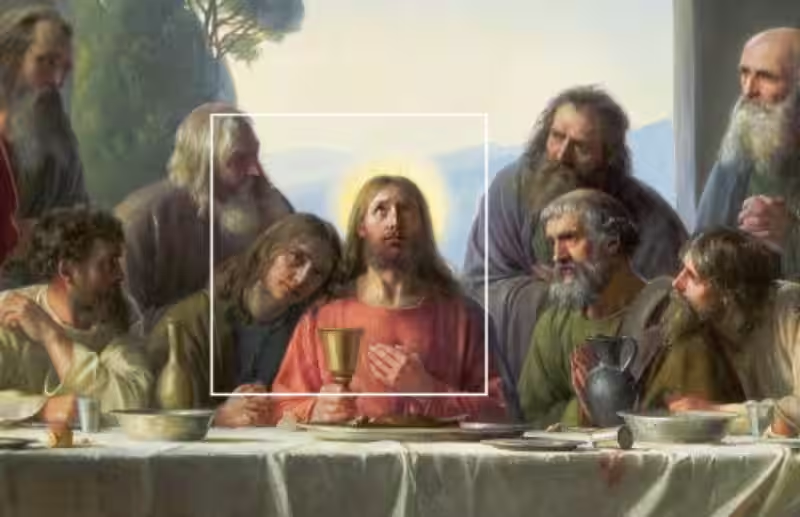
In a world often characterized by fleeting connections and superficial interactions, the concept of intimacy with God can feel elusive. It’s more than just religious observance; it’s a profound, personal relationship that fosters deep understanding and connection. This journey involves opening ourselves to a higher power, allowing space for dialogue, and recognizing the unique and personal ways God communicates.
Imagine a close friend. You share your joys, sorrows, and doubts. You feel understood and supported. This essence of intimacy can be similar when cultivated with God. It’s a path of self-discovery, trust, and continuous growth. We allow God’s presence to be felt in our quiet moments and amidst the chaos of our daily lives. Exploring this intimacy is a journey of faith and discovery.
Intimacy with God isn’t about performing rituals or adhering to strict rules. It’s a spiritual relationship built on trust, communication, and shared experiences. It’s about allowing God to guide your life and responding to His presence in a meaningful way. This could involve prayer, meditation, quiet contemplation, or simply spending time in nature. Learning to listen to your inner thoughts and feelings is key. These actions can lead to a deepening of that spiritual relationship.
It’s often described as a two-way conversation. We approach God with our questions, concerns, and joys, and we listen attentively to what we believe to be God’s guidance. This fosters a sense of connection, a feeling that you’re not alone and supported. For example, a person might find intimacy with God in the detailed study of scripture, feeling a direct connection to the words written centuries ago. Or someone might feel it through acts of service, understanding that serving others is a way to serve God.
Cultivating Intimacy through Reflection and Action
Cultivating intimacy with God isn’t a destination; it’s a continuous journey. It requires reflection and action. This involves consistent prayer, thoughtful study of faith-based texts, and actively seeking God’s guidance in your daily decisions. Consider journaling, where you reflect on your interactions with God and how you feel about those interactions. These practices nourish the connection, helping you understand God’s presence in your life.
Active listening is crucial. It’s not just about hearing God’s voice, but understanding the messages in your life. A sudden change in perspective or a feeling of peace can be a sign of God’s presence. The best part is that these paths to intimacy are personalized, evolving as we learn and grow. Perhaps you find intimacy with God through volunteering at a soup kitchen, knowing that your service connects you to the divine. Or maybe in acts of kindness, recognizing God within the actions of others.
Overcoming Obstacles to Intimacy
Obstacles to intimacy with God can arise from various sources, including doubt, fear, or a sense of distance. We may feel overwhelmed by life’s pressures or worried that we might not be good enough. It’s important to acknowledge these feelings and understand that they’re normal. Seeking support from a spiritual advisor, a mentor, or a supportive community can be beneficial. Sometimes, forgiveness—for yourself and others—is vital in fostering intimacy.
Guilt and shame can also hinder this journey. But remember, God’s love is unconditional. Cultivating self-compassion is essential. Realize that God loves you and accepts you as you are. Sometimes, the path to intimacy requires patience and ongoing practice. Be kind to yourself and understand that it’s a process, not a sprint.
Intimacy with God is not a static state but a dynamic journey of growth. It’s about surrendering to a higher power, embracing your faith, and recognizing God’s presence in your daily life. It requires openness, honesty, and a willingness to learn. The journey is uniquely yours. It’s often about the little moments, the quiet whispers, and the profound insights that come as a result of your connection with the divine.
Ultimately, intimacy with God is about fostering a deep and meaningful relationship. It is about learning, growing, and understanding that you are not alone, and that a connection with the divine is possible. It’s about finding peace in your faith journey and feeling connected to something bigger than yourself. This is a connection you nurture and grow.
Frequently Asked Questions about Intimacy with God
What is intimacy with God?
Intimacy with God is a deep, personal relationship characterized by trust, communication, and a sense of connection. It goes beyond simply believing in God; it involves actively seeking God’s presence, listening for His guidance, and allowing Him to shape your life.
What does it mean to have a relationship with God?
Having a relationship with God involves understanding that He is a loving, personal, and interested in you. It’s about prayer, reflection, studying religious texts, and seeking to live a life pleasing to God. It’s a two-way conversation, not just asking for things.
How can I develop intimacy with God?
Developing intimacy with God is a journey, not a destination. It involves consistent prayer, spending time in nature or quiet reflection, studying religious texts, and engaging in acts of service. Seek guidance from spiritual leaders and mentors if necessary.
What role does religion play in intimacy with God?
Religion often provides a framework and community for individuals to explore and grow their relationship with God. It offers rituals, traditions, and teachings that deepen understanding and connection. However, intimacy with God is not dependent on a specific religion; it’s a personal journey.
How can I know if I am truly connecting with God?
Signs of connecting with God vary from person to person but can include feelings of peace, joy, and purpose. You may experience a sense of guidance and support in your life and a growing desire to live according to God’s will. It’s important to be honest with yourself about your feelings and thoughts.