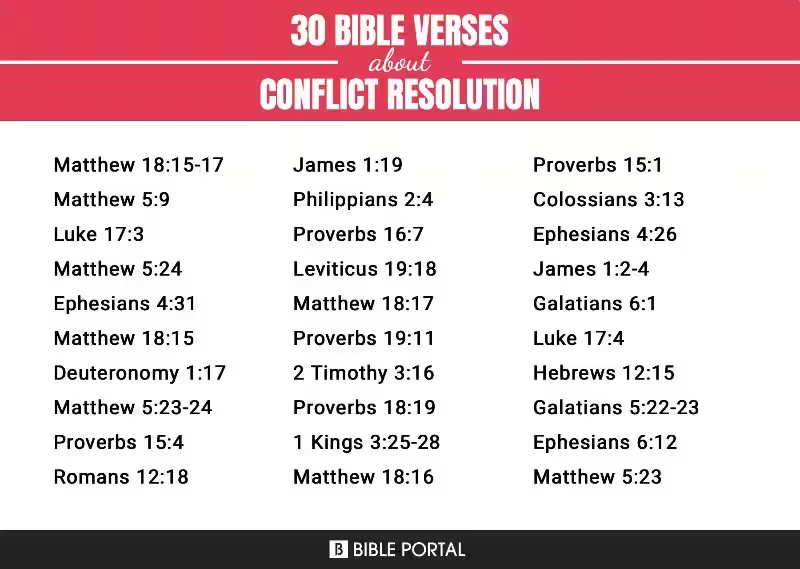
Conflict is an unavoidable part of human interaction. Whether it’s a disagreement with a friend, a tension at work, or a family dispute, navigating these situations effectively is crucial for maintaining healthy relationships and a sense of peace. Fortunately, the Bible offers a wealth of wisdom and practical guidance on conflict resolution, providing principles that transcend time and cultural boundaries. Understanding these principles can empower us to address conflicts constructively and find resolutions that honor God and those involved.
The Bible isn’t a conflict resolution manual in the modern sense, but it provides a framework based on love, forgiveness, and humility. Its stories, parables, and teachings offer powerful insights into the human condition and how to respond to disagreements. These principles often contrast with our current cultural norms, emphasizing reconciliation and restoration over simply winning an argument. Examples of these principles are seen in the stories of Joseph and his brothers, or the interactions between Jesus and his disciples.
A key theme throughout the Bible is the importance of humility. Humility means recognizing our own flaws and limitations, acknowledging that we are not perfect and that we all make mistakes. This recognition is vital when dealing with conflict. When we encounter conflict, pride can easily lead to defensiveness and a refusal to listen to the other person’s perspective. For example, in the parable of the unforgiving servant, Jesus highlights the dangers of harboring resentment and the importance of forgiveness. Humility allows us to approach conflict with a willingness to listen, understand, and compromise.
Forgiveness is intrinsically linked to humility. Holding onto anger and resentment only harms ourselves and perpetuates the cycle of conflict. The Bible often emphasizes the importance of releasing the burden of past hurts. It is a difficult concept, but essential. Think of the parable of the prodigal son; the father’s forgiveness epitomizes God’s love and willingness to reconcile with those who err. Practical steps to applying these principles include actively listening to the other person without interruption, expressing empathy for their position, and acknowledging your own role in the situation.
Seeking Reconciliation and Restoration
A significant focus of the Bible’s teachings on conflict is the pursuit of reconciliation. The goal isn’t just to resolve the immediate conflict, but to restore the relationship to a state of health and harmony. This often necessitates a willingness to apologize and to seek understanding from the other party. For example, the Book of Proverbs emphasizes the value of speaking truth in love, a significant aspect of constructive conflict resolution. This includes expressing your own feelings and needs directly, yet always with empathy for the other person’s feelings.
Restoration is more than just patching things up; it involves mending the damage to trust and rebuilding the relationship. The Bible suggests that reconciliation often requires humility from both parties. This involves both reflecting on our own actions and listening to the other person’s perspective with an open heart. We can learn and grow from conflicts if we view them as opportunities for growth and deepening our relationships. Consider the story of David and Nathan, a powerful example of how sincere repentance and acknowledgment of wrongdoing lead to restoration.
The Bible’s teachings on conflict resolution provide a clear framework for navigating disagreements constructively. Active listening, a key principle, involves truly hearing the other person’s perspective, not just waiting for your turn to speak. Expressing your feelings honestly but respectfully, acknowledging the other person’s emotions, and focusing on finding common ground are vital steps. Compromise is often necessary; willingness to give and take can help bridge differences. Finally, prayer can be a powerful tool in seeking wisdom, strength, and clarity in the midst of conflict. Prayer can help you to see the situation from God’s perspective and gain a better understanding of the other person’s feelings.
Using these principles, we can move from being caught in conflict to being empowered to resolve it. Remember, these approaches aren’t just religious ideals; they are practical tools for building stronger relationships and fostering a more peaceful environment, both personally and communally. The Bible provides a powerful roadmap to help us navigate the challenges of conflict with grace, wisdom, and the love of Christ.
Frequently Asked Questions
What does the Bible say about conflict resolution?
The Bible offers various principles and examples for resolving conflict, emphasizing reconciliation, forgiveness, humility, and seeking justice. Different passages offer different approaches depending on the nature of the conflict, but a recurring theme is to pursue peace and restoration rather than retaliation.
How can I apply Biblical principles to resolving conflicts in my relationships?
Biblical principles encourage open communication, listening to understand differing perspectives, seeking mediation if necessary, and practicing forgiveness. Key passages to consider include the teachings of Jesus on love and forgiveness, and the examples of reconciliation found in the stories of the Bible.
Does the Bible support all forms of conflict resolution?
While the Bible advocates for peaceful resolution, it doesn’t necessarily endorse every approach. Just as in modern times, some conflicts may require external intervention or legal processes, but the Bible always emphasizes a preference for reconciliation and a peaceful resolution whenever possible.
How does religion affect conflict resolution in a society?
Religion often plays a significant role in conflict resolution, providing moral frameworks and guidelines for behavior. Religious communities can offer mediation services, support reconciliation efforts, and promote peaceful coexistence among different groups. However, the influence of religion can be complicated, as different interpretations can lead to various approaches to conflict resolution.
What are some specific examples in the Bible of conflict resolution?
The Bible offers various examples, such as the reconciliation between Joseph and his brothers, the parable of the unforgiving servant, and the example of Jesus’ own teachings on love and forgiveness. These illustrate various approaches to conflict based on the situation and the parties involved.