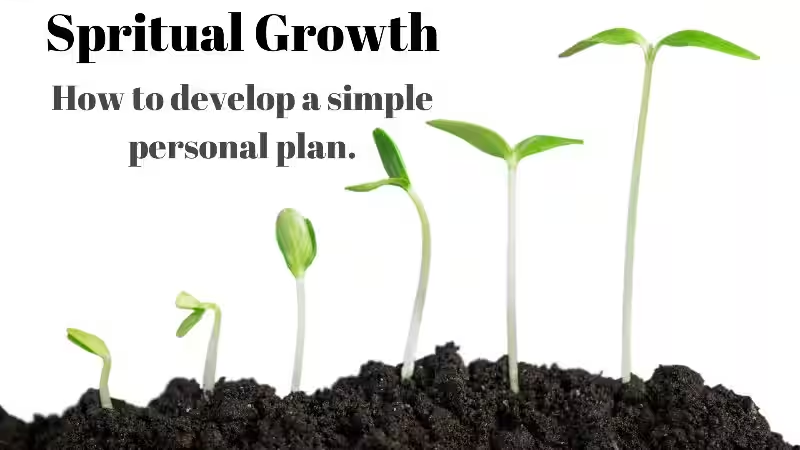
Crafting a Spiritual Growth Plan: A Journey of Self-Discovery
Crafting a Spiritual Growth Plan: A Journey of Self-Discovery
We all yearn for something more, a deeper connection, a sense of purpose. That yearning often manifests as a desire for spiritual growth. This isn't about converting to a new religion or dogma, but rather about deepening your connection with the divine, however you define it. A spiritual growth plan is a personalized roadmap, a series of intentional steps, that allows us to navigate this journey with purpose and clarity. It's about understanding your values, exploring your beliefs, and actively seeking ways to enhance your inner life.
Often, we think of spiritual growth as something abstract and elusive. But it's surprisingly tangible. It's about cultivating positive habits, reflecting on our experiences, and consciously creating space for introspection. Just as we plan our physical fitness or career goals, a spiritual growth plan allows us to deliberately nurture our inner selves. This involves self-awareness, a willingness to critique our biases, and a conscious decision to grow. Examples of positive habits could include daily meditation, prayer, or journaling about inner thoughts and feelings.
Before you embark on a spiritual growth plan, it's crucial to understand your starting point. What are your current beliefs and values? Do you identify with a particular religion or philosophy? Or are you looking to explore your own unique spiritual path? Honest introspection is key here. Don't be afraid to question your assumptions. This process is about understanding your why - why you feel the need for spiritual growth. Consider these questions: What are your core values? What brings you meaning and joy? What are you passionate about?
Defining your values is an important first step toward a meaningful spiritual growth plan. For example, if compassion is a core value, you might incorporate volunteering or acts of kindness into your plan. If mindfulness is important, you could incorporate meditation or yoga into your schedule. This process is deeply personal and there's no right or wrong answer. These questions will help you understand what aspects of spirituality resonate with you and guide your plan accordingly. Your spiritual values might involve love, compassion, gratitude, self-awareness, or service to others.
Building a Practical Plan: Steps and Strategies
Now that you've identified your starting point, it's time to build your spiritual growth plan. This should be a personalized, realistic, and adaptable plan. Start small. Don't try to overhaul your entire life at once. Be patient and kind to yourself. A spiritual growth plan is a journey, not a destination. It's about consistent progress, not perfection. Consider these actionable steps:
Set concrete goals: Write down specific, measurable goals, e.g., meditate for 10 minutes daily, attend a spiritual retreat.
Schedule dedicated time: Block out time in your calendar for spiritual activities, similar to how you schedule appointments.
Find a supportive community: Join a religious group, spiritual community, or connect with like-minded individuals for encouragement and shared experiences.
Practice self-reflection: Regularly journal or meditate to assess progress and identify areas for development.
Examples of activities in your spiritual growth plan could include: attending religious services, volunteering, engaging in reflective practices like journaling or meditation, reading spiritual texts, or listening to inspirational podcasts or music. Consistency is key; even small, daily practices can significantly contribute to your overall spiritual development. Remember, flexibility is crucial. Your spiritual growth plan is a living document, adaptable to your needs and evolving perspectives.
A truly effective spiritual growth plan isn't just about scheduled activities; it's about integrating spirituality into your daily life. Look for opportunities to live your values in your interactions with others and in your daily routines. Consider incorporating these elements into your daily life: practicing mindfulness in everyday moments, expressing gratitude for the good things in your life, showing compassion to others, and seeking out opportunities for service.
For instance, if kindness is a core spiritual value, you can make a conscious effort to be kind to the cashier at the grocery store or offer help to someone in need. These small acts can reinforce your values and make your spiritual growth plan more integrated into your lifestyle. This integration isn't about forcing yourself to be spiritual; it's about actively seeking out ways to be more mindful of your inner world and your connection to the world around you.
Frequently Asked Questions: Spiritual Growth Plan
What is a spiritual growth plan?
A spiritual growth plan is a personalized roadmap designed to help you deepen your connection with your spirituality and achieve inner peace and fulfillment. It involves setting goals, identifying obstacles, and developing strategies for personal transformation.
How is a spiritual growth plan different from religious practice?
While a spiritual growth plan can incorporate religious practices, it's broader in scope. It focuses on personal spiritual development, regardless of religious affiliation or belief system. Religious practice, conversely, centers around the tenets and rituals of a specific faith.
Do I need to be religious to create a spiritual growth plan?
No. A spiritual growth plan is for anyone seeking personal growth and a deeper understanding of themselves and their place in the world. It's about your inner journey, not adherence to a specific religion.
What are some key elements of a spiritual growth plan?
Key elements include self-reflection, mindfulness practices (meditation, prayer, etc.), setting intentions, identifying limiting beliefs, seeking guidance (mentor, therapist, spiritual leader), and consistent practice.
How do I create a spiritual growth plan?
Start by identifying your spiritual goals. What aspects of your spiritual life do you want to improve? Then, break down those goals into smaller, achievable steps. Regular self-assessment and adjustments are crucial.
How often should I review my spiritual growth plan?
Regular review is essential. Consider reviewing your plan weekly or monthly to assess your progress, make adjustments, and stay motivated. Life changes, so your plan should adapt accordingly.
What if I don't see immediate results?
Spiritual growth is a journey, not a destination. It takes time and consistent effort. Be patient with yourself, celebrate small victories, and remember that setbacks are opportunities for learning and growth.
Where can I find resources to help me create a spiritual growth plan?
Numerous books, websites, and workshops offer guidance on spiritual growth. You can also seek support from spiritual leaders, mentors, therapists, or support groups.