Finding Strength and Peace: Trusting in God Through Scripture
Finding Strength and Peace: Trusting in God Through Scripture
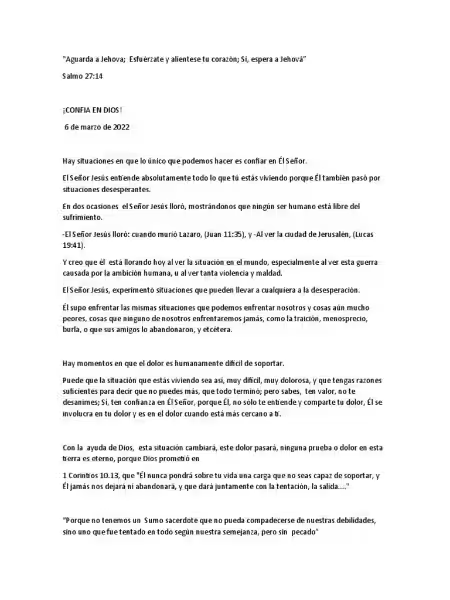
In the face of life's challenges, many of us yearn for a sense of peace and security. We look for guidance, for a source of strength that transcends our own limitations. And for many, that source is found in faith. Finding solace in scripture, especially verses about trusting in God, can be incredibly powerful. By acknowledging and applying these verses to our daily lives, we can develop a deeper connection with the divine and build resilience in the face of adversity. This article explores the importance of trusting in God, offering insights into how verses such as "Confía en Dios, y haz lo bueno" ("Trust in God, and do good") can impact our lives.
Often, our anxieties stem from a lack of understanding about God's plan. We feel a sense of powerlessness in the face of uncertainty. However, scripture offers a powerful antidote to this feeling. Verses such as "El que confía en el Señor no será conmovido" ("He who trusts in the Lord will not be moved") provide a foundation of hope and assurance. We can find comfort in knowing that God is in control, and that our trust in Him, through His wisdom, will ultimately lead us to a peaceful existence regardless of external circumstances. Imagine a storm brewing outside; the house is shaky, and you are afraid. A verse like this becomes an anchor, a reminder that even amidst the chaos, God is present and steadfast.
Trusting in God isn't about ignoring problems or passively waiting for solutions. It's about relying on a higher power while actively engaging with the challenges before us. This involves acknowledging our limitations and recognizing that God's wisdom surpasses our own. It's a conscious choice to surrender our anxieties to a divine presence and to accept that God’s plans are often beyond our comprehension. A key aspect of this trust is taking action and actively engaging with life's tasks, knowing that God guides our path.
This trust can manifest in various ways, such as seeking guidance through prayer or finding strength in the face of adversity. It’s also about recognizing that God is working even when we don’t see the results immediately. For example, if you're facing a difficult decision, trusting in God might mean seeking wisdom from scripture, praying for clarity, and making the choice you believe is best, with faith that God will help you navigate the outcome. This also means accepting that some outcomes are not within our control, and trusting God's plan, even when it feels challenging or uncertain. This could translate to accepting a job offer that feels less desirable or reframing a difficult relationship based on faith in God's design.
How Scripture Verses Guide Us
Scripture offers a wealth of verses specifically addressing the concept of trust. Consider these examples: "Jehová es mi pastor, nada me faltará" ("The Lord is my shepherd, I shall not want"). These words provide a profound sense of security and reassurance. They encourage us to focus on what God provides, rather than what is lacking. Imagine a student struggling with a difficult exam; this verse could help them feel supported and confident that God will provide the necessary wisdom and strength. Another vital verse is "Confía en Dios con todo tu corazón, y no te apoyes en tu propia inteligencia; en todos tus caminos reconócelo, y él enderezará tus veredas". ("Trust in the Lord with all your heart, and do not lean on your own understanding; in all your ways submit to him, and he will make your paths straight").
These verses, and many more, provide a rich tapestry of comfort and guidance. They remind us that God is always present, working in our lives even when we don't see it. Learning to apply these verses in daily life is key. When we're facing challenges, we can reflect on these verses to remind ourselves of God's unconditional love and unwavering support. In these challenging moments, we can find strength and peace in this belief, much like a beacon guiding our way through stormy seas. Finding comfort in these verses can look different for everyone. It might be reciting verses during prayer, reflecting on them throughout the day, or simply keeping them in mind as a source of strength.
Integrating faith into daily life can involve practical steps such as daily prayer, meditation on scriptures, and surrounding yourself with supportive individuals who share your values. This can look like setting aside quiet time each day to reflect on verses like "El Señor está cerca de los quebrantados de corazón, y salva a los que están humillados de espíritu" ("The Lord is near to the brokenhearted and saves the crushed in spirit"). This can be deeply empowering, reminding us of God's constant presence Building these practices can lead to a deeper connection with God and a more resilient spirit. It also involves actively seeking out religious communities and fellow believers. Finding a community can provide a sense of belonging, support, and encouragement—essential components when navigating life's ups and downs.
Ultimately, trusting in God is a personal journey. There's no one-size-fits-all answer. It's about developing a personal connection with the divine, drawing strength from scripture, and finding meaning and purpose in life's experiences. Remembering verses like "No temas, porque yo estoy contigo" ("Fear not, for I am with you") can be a guiding light in even the darkest of times. Embrace the power of scripture and allow it to shape your journey of faith. It will bring you strength, peace, and profound spiritual growth. This journey is one of continuous exploration and trust, where the verses of scripture become more than words, becoming an integral part of your daily life.
Frequently Asked Questions: Confía en Dios Versículos
¿Cuáles son algunos versículos bíblicos que hablan de confiar en Dios?
Proverbios 3:5-6: "Confía en el Señor con todo tu corazón, y no te apoyes en tu propia prudencia. Reconócelo en todos tus caminos, y él allanará tus sendas." Salmo 37:5: "Encomienda al Señor tu camino, y confía en él; él actuará." Isaías 41:10: "No temas, porque yo estoy contigo; no te angusties, porque yo soy tu Dios. Te fortaleceré, ciertamente te ayudaré, sí, te sostendré con la diestra de mi justicia." Filipenses 4:6-7: "Por nada estéis afanosos, sino sean conocidas vuestras peticiones delante de Dios en toda oración y ruego, con acción de gracias. Y la paz de Dios, que sobrepasa todo entendimiento, guardará vuestros corazones y vuestros pensamientos en Cristo Jesús."
¿Cómo puedo aplicar estos versículos a mi vida diaria?
Recuerda estos versículos en momentos de dificultad o incertidumbre. Practica la oración regular y comparte tus preocupaciones con Dios. Busca la guía divina en la toma de decisiones y confía en que Dios tiene un plan para tu vida, incluso cuando las circunstancias sean desafiantes. Recuerda que la confianza en Dios no elimina los problemas, sino que proporciona paz y fortaleza para enfrentarlos.
¿Qué significa realmente "confiar en Dios"?
Confiar en Dios significa creer en su poder, amor y sabiduría, incluso cuando no entiendes su plan. Es tener fe en que él te guiará y te protegerá, a pesar de las dificultades que puedas enfrentar. Implica una entrega completa a su voluntad, buscando su dirección a través de la oración, la lectura de la Biblia y la comunidad con otros creyentes.
¿Qué pasa si sigo teniendo dudas o miedos después de leer estos versículos?
Es normal tener dudas y miedos, incluso cuando tienes fe. La confianza en Dios es un proceso, no un evento único. Comparte tus luchas con Dios y con otros creyentes. Busca apoyo y orientación en tu comunidad religiosa. Recuerda que la fe no elimina los sentimientos, sino que te da la fuerza para superarlos.