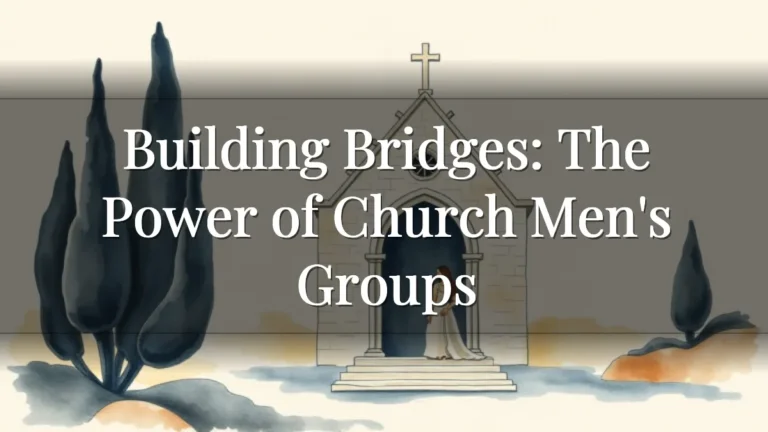
Men's fellowship groups offer a vital space for spiritual growth and connection. These gatherings provide a unique opportunity for men to support each other, share experiences, and delve into meaningful discussions. Whether you're a seasoned believer or just starting your journey, a strong fellowship can foster a deeper understanding of faith and provide valuable support in navigating life's challenges. Building connections within these groups is crucial, as it creates a safe environment where vulnerabilities can be shared and encouragement can be offered.
Biblical principles are often explored in these settings. Discussions around passages like those in the Book of Proverbs, which offer guidance for ethical decision-making and leadership, can provide practical application to daily life. Sharing personal experiences of faith struggles and victories creates a sense of unity and helps men learn from each other's journeys. Examples include discussing how to manage stress through prayer or how to approach difficult conversations with family members from a faith-based perspective.
Exploring Faith and Life’s Challenges Through Fellowship
One of the most valuable aspects of men's fellowship is the opportunity to discuss faith-based solutions for the challenges men face in their personal lives. These discussions often revolve around topics like financial stability, marital challenges, and parenting strategies. Men can learn from each other's experiences, discover different perspectives, and develop practical strategies for overcoming obstacles. This can include sharing successful financial management tips, exploring ways to navigate conflict within marriages, or finding inspiration for effective parenting.
Open and honest communication is key in these settings. A fellowship can provide a crucial support system to help men overcome feelings of isolation and navigate emotional complexities. For example, a man struggling with anxiety can find comfort and encouragement in sharing his experiences with a fellow member. This often leads to valuable insights and actionable advice that might not be readily available elsewhere. Developing coping mechanisms based on faith can also be discussed and shared.
Building healthy relationships is essential, both within a man's personal life and within the fellowship itself. Men's fellowship often delves into topics like communication skills, boundaries, and conflict resolution. By exploring these topics, men can gain valuable tools to improve their relationships with their wives, children, friends, and colleagues. For example, discussions about healthy communication patterns, establishing clear boundaries in relationships, and navigating disagreements constructively can offer practical takeaways.
Men's fellowship also emphasizes mutual support and accountability. These elements are crucial to helping men grow in their faith and character. Practical advice for holding each other accountable, and fostering a spirit of encouragement, can be a powerful aspect of this type of gathering. This could involve setting goals together, offering support through challenging times, or simply providing a listening ear when needed. Creating a safe environment where vulnerability is welcomed and strength is nurtured is another key characteristic of effective men's fellowships.
Finding Community and Purpose
A strong men's fellowship provides a sense of belonging and purpose to its members. Topics often discussed include finding fulfillment in life, discovering personal values, and understanding the importance of service to others. For example, fellowship members might discuss ways to serve their local communities or find ways to use their gifts and talents to make a difference. Exploring these deeper spiritual and personal dimensions can lead to a deeper sense of identity and meaning. Shared experiences and mutual encouragement help these groups serve as a powerful source of growth and empowerment.
Understanding your role in the community is another key facet of this type of fellowship. Discussions about civic engagement, leadership, and giving back to the community can contribute to a sense of collective purpose. Men can learn to apply spiritual principles to their professional lives, relationships, and civic responsibilities, ultimately contributing to a stronger and more meaningful community. These discussions and insights often provide a roadmap for living a life of purpose and legacy. Setting meaningful goals together, supporting each other, and celebrating accomplishments are elements that contribute to a more vibrant and effective fellowship.
What are some good discussion topics for a men's religious fellowship?
Scripture study, current events from a faith perspective, moral dilemmas, life challenges and faith, spiritual growth, mentorship, and service projects.
How can we keep discussions engaging and respectful?
Establish ground rules for respectful dialogue, encourage active listening, focus on shared faith, and avoid judgmental or divisive language. Facilitate open sharing but also ensure everyone gets a chance to speak.
What if someone brings up a controversial topic?
Acknowledge the sensitivity, encourage respectful expression of different viewpoints, refer to scripture or theological resources for guidance, and gently steer the conversation back to a unifying theme if necessary.
How can we ensure all members feel included and comfortable participating?
Create a safe and welcoming environment, use icebreakers to build camaraderie, encourage participation from quieter members, and respect diverse viewpoints and experiences.
How can we make our fellowship relevant to men's lives today?
Connect faith to everyday challenges, discuss relevant social issues from a faith perspective, use modern examples, and invite guest speakers with diverse perspectives.