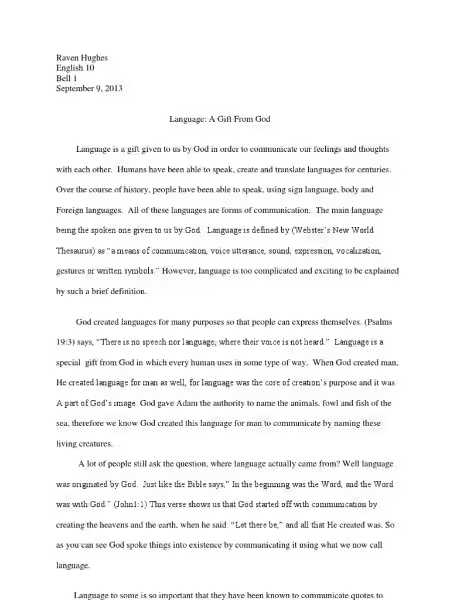
God's Gift of Language C: Unveiling the Power of Communication
God's Gift of Language C: Unveiling the Power of Communication
We often take for granted the incredible ability to communicate. We effortlessly share ideas, express emotions, and build relationships. But consider this: human language, a profound expression of God's gift of language C, is a uniquely complex system that allows us to navigate the world and connect with each other in profound ways. It's a tool for expressing our deepest beliefs and connecting with the divine. Think of the countless hymns, prayers, and scriptures that have been shaped by language, reflecting the profound connection between faith and communication.
From the earliest whispers of a baby to the eloquent speeches of a renowned orator, God's gift of language C empowers us to express our thoughts and feelings with remarkable precision. This powerful tool allows us to appreciate the rich tapestry of human experience, from the mundane to the extraordinary. It is through language that we share stories of joy, sorrow, and everything in between, weaving a rich narrative that shapes our understanding of ourselves and the world around us. It is also the language of faith, allowing us to understand and share the wisdom passed down through generations.
Imagine a world without words. The ability to articulate our beliefs and connect with others on a spiritual level would be severely limited. God's gift of language C is fundamental to religious practice across cultures. It allows us to share sacred stories, worship in communal settings, and engage in prayer and meditation more deeply. Consider how prayer, scripture reading, and sermons rely on language to convey meaning. Without this vital instrument, many aspects of religion wouldn't exist in their current forms. Different religious traditions use language in unique ways to describe the divine, to build community, and to understand their relationship with the universe.
Different denominations and traditions use language in varied ways to express their faith. Priests, rabbis, and imams, for example, use language in specific ways to deliver sermons, lead prayers, and conduct rituals. These intricate and powerful dialogues and communications are a testament to how language can be a conduit for religious expression and understanding. Language is not just a tool; it's a spiritual instrument. Consider the powerful impact of a heartfelt prayer or the profound effect of reading a passage from the Bible on your heart. Such moments highlight the profound relationship between human language and spirituality.
Language and the Construction of Religious Identity
Language plays a crucial role in shaping religious identity. It defines our beliefs, practices, and relationships to the divine. Different languages often have words and phrases that uniquely capture spiritual concepts, fostering a sense of belonging and shared understanding within a given community. Think of the specific language used in a particular Hindu temple or the jargon used in a Christian church – these expressions of belief strengthen community identity. Religious language can also differentiate one faith community from another, contributing to the rich tapestry of faith diversity worldwide.
Furthermore, the language we use to discuss religious concepts can shape our perceptions of the divine. Words like "God," "Allah," or "Brahman," for example, carry significant cultural and historical weight. The way we define and discuss these terms reflects the specific theological understandings within different traditions. We can see how the subtle nuances in language can lead to the development of distinct schools of thought. This process highlights the dynamic relationship between language and religious identity. Cultural appropriation of sacred languages is another important factor to consider when discussing the use of language in religion.
As the world continues to evolve, God's gift of language C will remain a powerful tool for connecting with each other and with the divine. New forms of communication and technology will likely affect how religious communities interact and share their beliefs. The future of religious language may involve the use of online platforms, social media, and digital resources to share teachings and build communities across geographical boundaries. Through these advancements, God's gift of language C continues to shape our connection to faith and spirituality.
Moreover, understanding God's gift of language C allows us to appreciate the importance of empathy and cross-cultural communication. By learning to interpret language within its cultural context, we can better understand different perspectives and foster a more inclusive environment. Language is a powerful tool for understanding and respecting each other. When we use language responsibly and thoughtfully, we can build bridges between faiths, communities, and individuals. This is a critical aspect of how God's gift of language C can continue to enrich our spiritual experiences in the years to come.
Frequently Asked Questions: God’s Gift of Language
What is the religious significance of language as a gift from God?
Many religions believe that language is a divine gift, allowing humans to communicate with God and each other, fostering community and understanding. It's seen as a crucial element in humanity's relationship with the divine and its potential for both good and evil.
How does the concept of a "gift of language" differ across different religions?
While the core idea of language as a divine gift is common, the specifics vary. Some religions emphasize the role of language in praising God, while others focus on its use in spreading religious teachings or understanding sacred texts. The consequences of misusing language might also be interpreted differently.
Are there any religious texts that specifically address the gift of language?
Yes, many religious texts contain passages that allude to or directly address the divine origin of language. The Bible, for example, describes God giving Adam the ability to name the animals. Similar narratives exist in other religious traditions.
What are the implications of viewing language as a divine gift?
This perspective often implies a responsibility to use language ethically and respectfully. It highlights the power of words to build or destroy relationships, spread truth or falsehood, and inspire faith or doubt. It can also contribute to a sense of awe and wonder at the complexity and beauty of human communication.
How does the gift of language relate to the concept of free will?
The belief that God gave humans language often coexists with the idea of free will. Humans are free to use this gift for good or ill, demonstrating both the power and responsibility inherent in the ability to communicate.