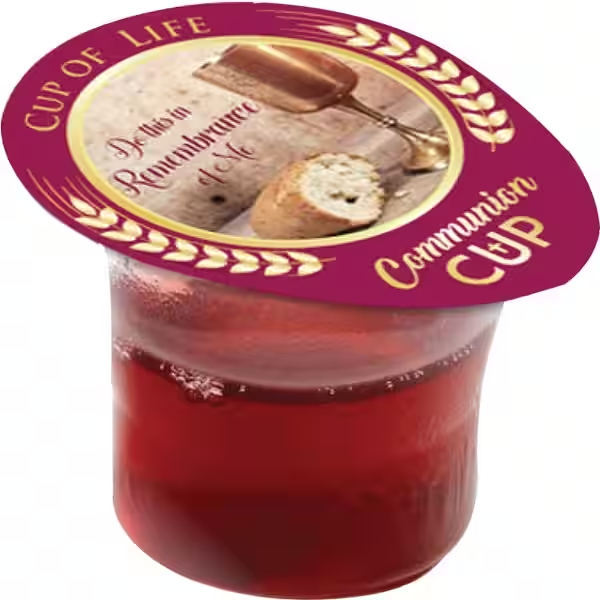
The communion bowl, a seemingly simple vessel, holds a profound significance in many religious traditions. It’s more than just a container; it’s a tangible representation of shared faith, a symbol of unity, and a reminder of profound spiritual experiences. This humble object acts as a focal point for communal worship, fostering a sense of belonging and connection among believers. Its presence in sacred rituals underscores the importance of fellowship and the transformative power of faith.
From Catholic masses to Protestant services, the communion bowl plays a central role in rites of commemoration. The very act of sharing the bread and wine, often within the confines of a communion bowl, symbolizes a spiritual connection to something larger than ourselves. This shared experience fosters a sense of community and underscores the importance of faith, transcending individual beliefs and bringing people together in a common purpose. The communion bowl, in its simplicity, embodies this powerful idea.
Beyond the Practical: The Symbolism of the Communion Bowl
The communion bowl, often crafted from materials like wood, ceramic, or metal, evokes a sense of reverence and solemnity. Its design, while varied, often incorporates intricate details or patterns, further enhancing its symbolic value. The very act of preparing and using the communion bowl for worship carries a sense of reverence and respect, making it a powerful element within the sacred setting. Its role in rituals echoes the importance of careful preparation and ritualistic observance.
Beyond its aesthetic qualities, the communion bowl carries rich symbolism. For example, the shape can symbolize the body of Christ in Christian tradition. The material used in its construction can represent purity or other values aligned with the spiritual beliefs of the given tradition. The very act of sharing from a communion bowl emphasizes the shared nature of faith. The communion bowl represents, in a tangible way, the collective experience of believers.
The Evolution of the Communion Bowl Through History
The history of the communion bowl is as rich and varied as the cultures and religions that have used it. Early examples of these vessels might have been simple bowls or pottery containers, but as religious practices developed, the design and materials became more elaborate and refined. This evolution reflects the changing social and cultural contexts of the time. From simple wooden bowls to ornate silver vessels, the communion bowl’s history echoes the history of faith itself. The evolution of the bowl mirrors the evolution of faith throughout time.
The materials used in the construction of a communion bowl – from plain pottery to richly decorated silver – can often tell a story about the culture and values of the time. For example, the use of silver might point to wealth and importance, while simpler materials might suggest a more community-focused approach. The design of the communion bowl itself can also be significant; some designs are meant to emphasize the sacredness of the act, while others are more functional. All, however, reflect a shared purpose of spiritual commemoration.
The Communion Bowl in Contemporary Religious Practices
The communion bowl remains a vital element in many contemporary religious settings. Its presence in services emphasizes the importance of shared faith and community. Modern interpretations and designs of the communion bowl often reflect contemporary artistic sensibilities, making the object visually engaging while maintaining its connection to tradition. This contemporary approach keeps the ritual important while also adapting to modern sensibilities.
The importance of the communion bowl extends beyond the religious setting, too. For example, in some faith-based organizations, the communion bowl may be used to symbolize unity and shared purpose during events beyond formal worship. The communion bowl, in its flexibility, continues to serve as a symbol of spiritual connection and unity in various settings. These modern applications demonstrate the ongoing relevance of the bowl and its timeless message.
A communion bowl, also known as a chalice, is used in many Christian denominations to hold the consecrated wine (or grape juice) during the Eucharist, Holy Communion, or Lord’s Supper.
What materials are communion bowls typically made of?
Communion bowls are traditionally made of precious metals like gold or silver, but are also commonly made from less expensive materials such as pewter, glass, or even plastic, depending on the church and its resources.
What is the symbolism of the communion bowl?
The bowl symbolizes the cup Jesus used at the Last Supper, representing his blood shed for humanity’s salvation. Its shape and material can also hold symbolic meaning depending on the traditions of the specific denomination.
How is the communion bowl cleaned and cared for?
Cleaning methods vary depending on the material. Generally, gentle washing with warm water and mild soap is recommended. Avoid abrasive cleaners. Precious metal bowls may require specialized cleaning solutions.
Are there different sizes and styles of communion bowls?
Yes, communion bowls come in various sizes, from small bowls for intimate services to larger ones for large congregations. Styles also vary depending on the liturgical tradition and aesthetic preferences of the church.
Where can I purchase a communion bowl?
Communion bowls can be purchased from religious goods stores, online retailers specializing in religious items, or through church supply companies.