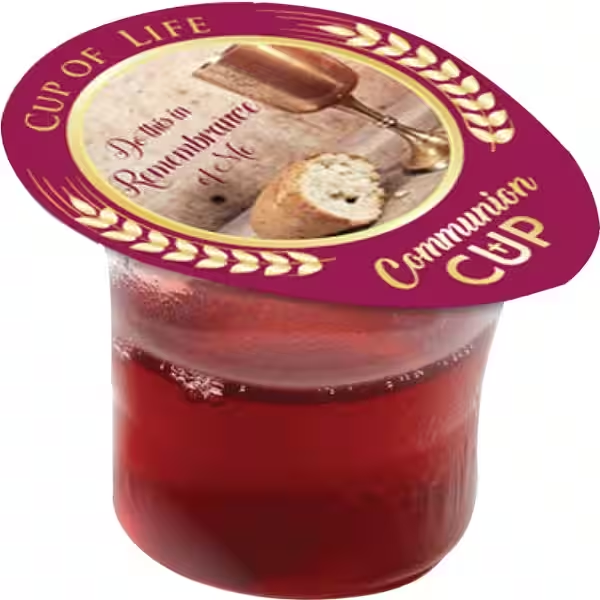
For centuries, the act of communion, a central ritual in many faiths, has involved the sharing of sacred bread and wine. The vessels used to hold these elements often carry profound symbolic weight. Within this tradition, glass communion sets have emerged as a popular choice, offering a unique blend of practicality and aesthetic appeal. They stand as a testament to the enduring significance of these rituals, allowing for a focus on the spiritual aspects of the ceremony.
The choice of material for communion vessels, whether pottery, metal, or glass, often reflects the particular faith or community. Glass, with its transparency and ability to reflect light, has a unique symbolic meaning that connects with spiritual concepts. The translucency of glass can represent the divine light or the illumination of faith, while its fragility can remind believers of their own vulnerability and dependence on a higher power. These interpretations are deeply personal and vary among individuals and denominations.
Exploring the Practicality and Aesthetics of Glass
Glass communion sets are not just visually striking; they also offer significant practical advantages. Their lightweight nature makes them easy to handle and transport, particularly in settings where portability is crucial. Cleaning and maintaining glass is also often simpler than with other materials, ensuring that the vessels remain in pristine condition for use in ceremonies. The durability and hygiene of well-made glassware are key for maintaining a sacred and clean environment. They are also exceptionally versatile. They can be used for various denominational services, catering to different liturgical practices.
The aesthetic appeal of glass is undeniable. Clear glass allows for a clear view of the sacramental elements, emphasizing the act of sharing and remembrance. Colored glass can offer a more symbolic dimension, such as representing different aspects of the faith. Glassware also allows for a wide range of styles, from simple and classic designs to ornate and elaborate pieces, providing options to reflect the specific needs and preferences of the community. These visual components add a significant layer to the overall experience of the ceremony.
Maintaining the Sacredness in Glass Communion
While glass offers many advantages, it's crucial to remember the significance of the communion ceremony. Maintaining the sanctity of the vessels, whether glass or otherwise, is paramount. Careful handling and proper cleaning practices are essential to preserving the purity of the ritual. This includes using appropriate cleaning solutions, avoiding harsh chemicals, and ensuring that the vessels are thoroughly dried. It is important to understand that the hygiene of glass communion sets is vital to the spiritual practice.
In addition to practical considerations, the spirituality embedded in glass communion often extends beyond the physical object. The reflection of faith and devotion in the use of glass vessels is incredibly important. Communion is often a shared experience, and the vessels used can strengthen the sense of community and shared faith. Furthermore, the careful selection of the glass communion sets is a demonstration of respect for the sacred nature of the ritual.
Beyond the Vessels: The Deeper Meaning
The use of glass in communion isn't just about aesthetics or practicality. It touches upon the deeper aspects of faith and ritual. The ritual itself emphasizes shared fellowship, spiritual nourishment, and remembrance. The act of using glass communion sets can remind believers of the need for transparency in their lives and their relationships. A clear reminder of the need to honour commitments and reflect on spiritual principles are often embedded within the act itself. The act of sharing and partaking together is critical to the meaning.
Ultimately, the choice of glass or any material for communion vessels is a reflection of the individual faith and community. The symbolic meaning of glass can connect with personal beliefs and values, enhancing the spiritual experience. The importance of mindful rituals is often emphasized, through the selection of the vessels chosen for use. A well-considered glass communion set can enhance the overall sense of reverence and spiritual connection during the ceremony.
Frequently Asked Questions: Glass Communion
What is glass communion?
Glass communion refers to the practice of using glass vessels, typically chalices, for the distribution of communion wine in religious services. It's an alternative to traditional methods using metal or plastic.
Why is glass used for communion?
Glass is often chosen for its aesthetic appeal, perceived cleanliness, and its ability to showcase the wine's color and clarity. Some believe it offers a more elegant and reverent experience.
Is glass communion biblically mandated?
No, the Bible does not specify the material of the vessels used for communion. The focus is on the symbolic meaning of the bread and wine.
Are there any religious objections to glass communion?
Some religious traditions may prefer traditional materials due to historical practice or theological interpretations. Concerns about breakage may also exist.
What are the pros and cons of using glass for communion?
**Pros:** Aesthetically pleasing, easy to clean, recyclable. **Cons:** Breakable, potential for injury if dropped, might not be practical for large congregations.
How do I care for glass communion vessels?
Glass communion vessels should be carefully handled and cleaned with warm, soapy water after each service. Avoid harsh chemicals.