Nurturing Faith Through Themed Behavior Charts: A Guide for Families
Nurturing Faith Through Themed Behavior Charts: A Guide for Families
Raising children in a faith-filled home is a beautiful journey, filled with both joy and challenges. One of the key aspects of this journey is helping children understand and internalize core religious values. Consistency and positive reinforcement play crucial roles in this process. A great way to achieve this is through themed behavior charts, personalized to reflect the specific religious values you want to instill in your children. These charts not only provide structure but also create a visual representation of your family's faith journey, fostering a deeper connection to spirituality.
This article will explore various ways to use themed behavior charts in a religious context. We will delve into the benefits, practical applications, and customization options, helping you create a system that works for your family and strengthens your children's connection to their faith. Effective charts inspire positive behavior and encourage spiritual growth. By understanding and adopting these techniques, you can effectively communicate your values and help your children cultivate a strong moral compass.
The first step in creating effective themed behavior charts is to carefully consider the specific values and principles you want your children to learn. Prayer, compassion, respect, forgiveness, and gratitude are just a few examples. Consider these questions: What specific behaviors align with these values? How can we make these values visible? Examples include actions like saying grace before meals, helping others, showing kindness, or expressing thankfulness.
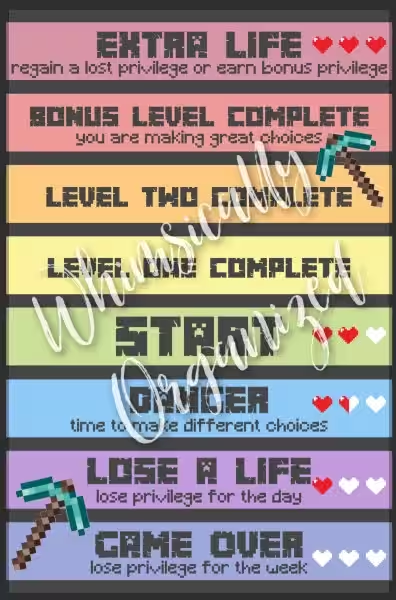
Once you've identified these values, you can start designing the charts. Visual aids are incredibly important. Colorful images or symbols related to your chosen religion can enhance engagement and meaning. For instance, a chart focusing on gratitude could include images of a thankful heart next to the child's name. Consider using stickers or tokens to reward positive behaviors. This visual reinforcement system helps children understand and appreciate what you are working towards. For example, a small religious symbol might be awarded for each instance of daily prayer.
Themed Chart Examples
Gratitude Chart
A gratitude chart can be a powerful tool for teaching children about the importance of appreciating the good things in their lives. The chart can feature a large heart or illustration of a thankful figure. Children can draw pictures or write down things they are thankful for each day. This fosters a mindset of appreciation and gratitude which is central to many religions.
Here’s how it works: Each morning, children write or draw one thing they are thankful for. A sticker is placed on every item mentioned. This chart promotes a daily reflection of thankfulness, connecting it to their spirituality.
Compassion Chart
This chart focuses on demonstrating kindness and empathy towards others. A visual representation might feature a child helping another or an image of a loving hand. Children can earn points for acts of compassion, such as sharing toys, helping a sibling, or offering support. This develops empathy and a caring spirit inside the child, connecting them to their faith's core values.
Example: A child who shares their lunch with a classmate or helps an elderly neighbor earns a sticker or token on the chart. This positive reinforcement encourages more compassionate actions, fostering a culture of caring in the family.
A prayer chart can emphasize consistency in daily prayer. It can include a representation of a prayer space or images of religious figures. Each day a child completes a prayer session, they earn a sticker on the chart. This chart reinforces the importance of prayer and developing a spiritual connection.
Specifics: A visual reminder of prayer times can help children remember to pray at specific times, such as before meals, before bed, or in moments of need. The chart creates a routine and builds a habit of connecting with their faith.
Implementing and Adapting the Charts
Consistency is key when using themed behavior charts. Set clear expectations and explain the purpose of the chart. Explain the connection between the chart and their religious beliefs. Regularly review the chart with your child, discussing the behaviors and the rewards earned. This provides an excellent opportunity for open communication about faith values.
Adaptability is also important. If a chart isn't working, be willing to adjust it. Consider different reward systems or themes to find what resonates with your child. The goal is to make the experience engaging and meaningful, fostering a positive connection to their religious upbringing. Regular feedback and adjustments to the chart will ensure the program stays motivating and successful.
Can I use religious themes on a behavior chart for my child?
Yes, you can use religious themes, but ensure the chart is inclusive and respectful of diverse beliefs. Focus on positive reinforcement and avoid using religious imagery or language that might be exclusionary or upsetting to others.
What are some appropriate religious themes for a behavior chart?
Consider themes based on kindness, compassion, sharing, and helping others, drawing inspiration from religious teachings relevant to your family’s faith. For example, you could use imagery associated with acts of service or stories of kindness.
Are there any religious symbols I should avoid using on a behavior chart?
It's best to avoid using overtly religious symbols that might be considered controversial or offensive by those unfamiliar with your faith. Focus instead on positive actions and universal values.
How can I make sure my child understands the religious theme?
Explain the chosen theme in age-appropriate terms, connecting it to your family's values and beliefs. Discuss how the chart’s goals align with the positive actions emphasized in your faith.
What if other children see my child's religiously themed behavior chart?
Be prepared to briefly explain the theme to curious individuals, emphasizing the positive behaviors it promotes. You can use it as an opportunity to discuss values and beliefs in a respectful and inclusive manner.