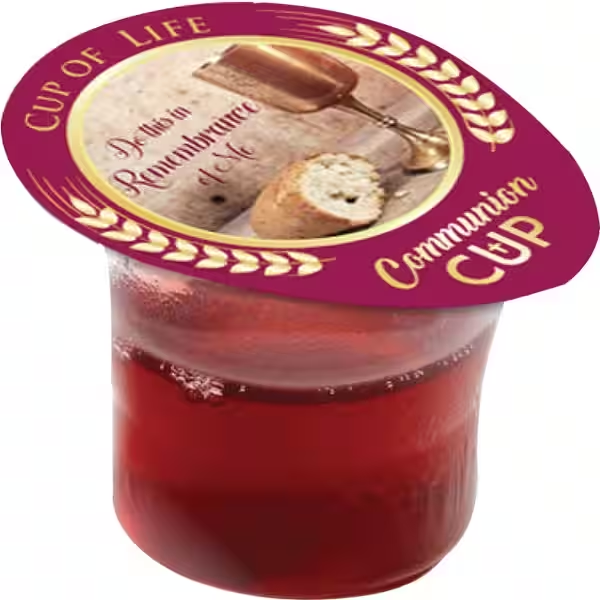
Understanding Little Communion Cups: A Deeper Look at a Sacred Tradition
Understanding Little Communion Cups: A Deeper Look at a Sacred Tradition
The tiny, often exquisitely crafted, communion cups used in many Christian ceremonies hold a profound significance. They symbolize the shared meal of Christ's body and blood, a ritual steeped in centuries of tradition. These little communion cups, often passed from hand to hand, represent a profound connection to the divine and a shared commitment to faith. They are a tangible reminder of the sacrifice and love at the heart of Christian belief.
These small vessels, often made of materials like ceramic, porcelain, or even precious metals, are meticulously prepared and handled. The act of partaking from the cup, whether in a large church or a small gathering, is a deeply personal one. It's a moment of reflection, prayer, and communion with others in faith. The simple act of receiving the consecrated elements, perhaps with the little communion cup in one's hand, creates a powerful personal connection, a memory embedded in the heart and mind.
The custom of sharing a sacred meal dates back to the earliest days of Christianity. Jesus's Last Supper, where he shared bread and wine, established the foundation of this ritual. Over time, different denominations developed slightly varying traditions, each with its meanings and nuances. Understanding these traditions helps us appreciate the significance of the items used in these ceremonies. For example, the use of little communion cups in some traditions is meant to emphasize the personal nature of receiving the Eucharist.
Early communion practices often involved sharing a larger vessel, but as time went on, the little communion cups became more common. This shift likely stemmed from a desire for greater reverence and a more personal encounter with the sacred elements. This evolution of the ritual speaks to the enduring power of faith and the evolving ways believers connect with their faith. It also underscores the importance of appropriately preparing and handling the cup to ensure the reverence of the sacrament.
Variations in Design and Materials for Little Communion Cups
The design of little communion cups can vary widely. Factors like denomination, regional customs, and even personal preferences of the church or congregation influence the style. Some may be simple and unadorned, while others might feature intricate carvings or delicate embellishments. This variety in design mirrors the diversity of faith and expression within Christianity. For instance, some churches may use simple ceramic cups, whereas others might use more ornate, silver-plated cups. This difference in materials and design reflects the wide range of artistic and cultural traditions within the Christian faith.
The material used for little communion cups is also significant. Consider the different ways materials like silver, pewter, or ceramic each contribute to the ritual. Each choice speaks to the importance of the sacrament in its liturgical setting. For example, a heavy, silver cup might convey a sense of permanence and solemnity, while a lightweight ceramic cup might emphasize the fragility and preciousness of the gift. The choice of material is often a reflection of the church's values and the local cultural context.
The Role of Little Communion Cups in Modern Worship
In contemporary Christian practice, little communion cups continue to play a vital role. They represent a tangible connection to tradition, offering a focus for reflection and reverence. These cups are often a focal point in the liturgy, passed from person to person. This carefully orchestrated process reinforces a sense of shared faith and unity. It is a practice which fosters connection and community amongst believers.
While the physical form of the communion service may evolve over time, the core values represented by the little communion cups remain the same. These small containers foster a sense of reverence, allowing participants to engage with the tradition of the Last Supper in a deeply personal way. Modern churches often make sure the cups are clean, sanitary, and appropriately stored to uphold the highest standards. This underscores the importance of the ritual in contemporary faith.
The little communion cups, with their subtle beauty and profound history, are more than just vessels. They are powerful symbols of faith, community, and shared spiritual experiences. The act of receiving Communion, using little communion cups, reinforces the connection between believers and the divine. Understanding the significance of these small but meaningful objects adds depth to our appreciation for the Christian faith.
From the earliest days of Christianity to the present, little communion cups have served as a central element in various Christian ceremonies. Their presence carries with it a history rich in tradition and meaning. Their use allows people to partake in the sacred ritual, fostering shared experiences and promoting a deeper understanding of faith.
Frequently Asked Questions: Little Communion Cups
What are little communion cups used for?
Little communion cups are used to individually serve communion wine or juice during religious services, particularly in Christian denominations.
Why are smaller cups used for communion?
Smaller cups offer hygiene and practicality, preventing the sharing of germs and providing a more manageable size for individual servings.
What materials are little communion cups made from?
Communion cups can be made from various materials including plastic, paper, and sometimes metal or glass, depending on the church's preference and budget.
Are disposable communion cups hygienic?
Disposable cups promote hygiene by eliminating the need to clean and sterilize reusable cups between services.
Where can I buy little communion cups?
Little communion cups can be purchased from religious supply stores, online retailers, and some church suppliers.
What is the religious significance of the communion cup?
In Christianity, the cup represents the blood of Christ, symbolizing sacrifice and redemption, and is a central part of the Eucharist or Holy Communion.